Shift in Global Luxury Demand
Wealth moves, and luxury real estate follows. Right now, high net worth individuals (HNWIs) are shifting capital across borders at a faster clip. Political uncertainty, fluctuating currencies, and asset diversification are driving buyers to look beyond their home countries. Many are eyeing real estate as both a status symbol and a stable haven.
Buyers from Asia and the Middle East, in particular, are zeroing in on trophy properties in the U.S. and Europe. Think penthouses in New York, townhouses in London, and villas along the French Riviera. These aren’t just lifestyle statements they’re chess moves in broader financial plays.
Tax codes and regulatory shifts are also steering strategies. Countries like Portugal and the U.K. are tightening residency and tax incentives. Meanwhile, the U.S. remains attractive despite rising scrutiny on foreign cash inflows. For global elites, it’s less about location alone, and more about where money can live safely and grow quietly.
For agents and developers, staying informed on cross border finance and policy is no longer optional. It’s part of selling luxury now.
Inventory Tightens in Prime Locations
Luxury real estate in city centers and coastal hotspots is becoming harder to come by. Whether it’s Paris, Miami, or Sydney, the same story echoes: fewer listings, more buyer interest. And when inventory dries up, competition gets sharp. Bidding wars quiet for the past few years are making a comeback in A list ZIP codes.
With new construction lagging and regulations slowing development, renovation ready homes are catching attention. Buyers who once preferred turnkey properties are now open to putting in the work, especially if it means landing a spot in a legacy neighborhood. These homes often come with character, history, and location three things you can’t build overnight.
Right now, the market rewards speed and decisiveness. If you’re waiting around for a better deal in a key location, odds are someone else already has the contractors lined up. Prime real estate has always been a game of timing. In 2024, it’s also a test of nerve.
Lifestyle Driven Buying Takes the Lead
Luxury buyers aren’t just chasing square footage anymore they’re chasing how that space makes them feel. Privacy still matters, but it’s now expected to come packaged with amenities that support health, ease, and personal control. Meditation rooms, infrared saunas, and even in house wellness consultants are turning up in high end listings. Tech follows closely behind, with smart home systems and AI assisted climate control pushing convenience to the forefront.
The modern luxury buyer is also thinking green and not just in the garden. Energy efficiency and sustainability have become non negotiables, especially as ultra high net worth individuals grow more climate conscious. Indoor outdoor living layouts, passive design elements, solar integrations, and gray water systems are now as valued as branded appliances or marble finishes.
None of this came out of nowhere. These preferences have been quietly ramping up over the past few years, accelerated by the pandemic and sharpened by climate urgency. Read the early signs of this wave in 2023’s key buying shifts: Market updates 2023.
Elevated Interest Rates, Elevated Expectations

Rising interest rates have stirred the market but not always in the way you’d expect. For luxury buyers, the hit isn’t about securing a loan; most are cash heavy or have solid financing lined up. Instead, the focus is squarely on return. A $10M property needs to prove its long term value more clearly now. Whether as a personal residence or part of a larger investment portfolio, buyers are calculating ROI with sharper pencils.
This has put sellers on alert. Price points can’t float on address alone. Homes need to showcase something exceptional panoramic views, bespoke architecture, top end materials, or uncommon perks like deep customization potential. Standard finishes won’t cut it. Buyers want premium touches that are not just aesthetic but functional: smart systems that actually simplify life, layout choices that add privacy or flexibility, and craftsmanship that lasts.
In a cooled but not cold market, the real differentiator is clarity. Sellers who can articulate value visually and verbally are the ones closing. The margin for “good enough” is gone.
The Rise of Secondary Markets
As the luxury real estate landscape evolves, wealthy buyers are starting to look beyond the traditional power markets of Los Angeles, New York City, and London. Secondary markets are stealing the spotlight, offering lifestyle perks, less competition, and often, more value for the price.
Where the Momentum Is Building
Several regions are emerging as hotbeds for luxury real estate activity:
Aspen, Colorado Known for its high end mountain living and world class skiing, Aspen is attracting both seasonal and full time buyers looking for privacy and prestige.
Scottsdale, Arizona With year round sun, new luxury developments, and favorable tax conditions, Scottsdale has carved out a place in the luxury landscape.
Mallorca, Spain European buyers are turning to this Mediterranean haven for its scenic beauty, relaxed pace, and investment potential in resort style properties.
Why the Shift?
The pull toward secondary markets isn’t random it’s driven by larger social and economic shifts:
Desire for Lifestyle Diversity: Buyers want variety. Whether it’s access to nature, better weather, or cultural richness, lifestyle is dictating destination.
Remote Work Culture: With more flexibility in where people live and work, the geographic definition of luxury is stretching.
Digital Wealth: Investors and entrepreneurs with tech based fortunes are redefining what ‘prime location’ means, favoring areas that match their values and pace of life.
What This Means for Buyers and Sellers
For buyers, these markets present opportunities to acquire flagship properties before prices surge further.
For sellers, expectations must shift marketing needs to highlight regional advantages, not just square footage and finishes.
Secondary markets are no longer just vacation zones. In 2024, they’re where the future of luxury is unfolding quietly, but rapidly.
Key Features Continue to Push Sales
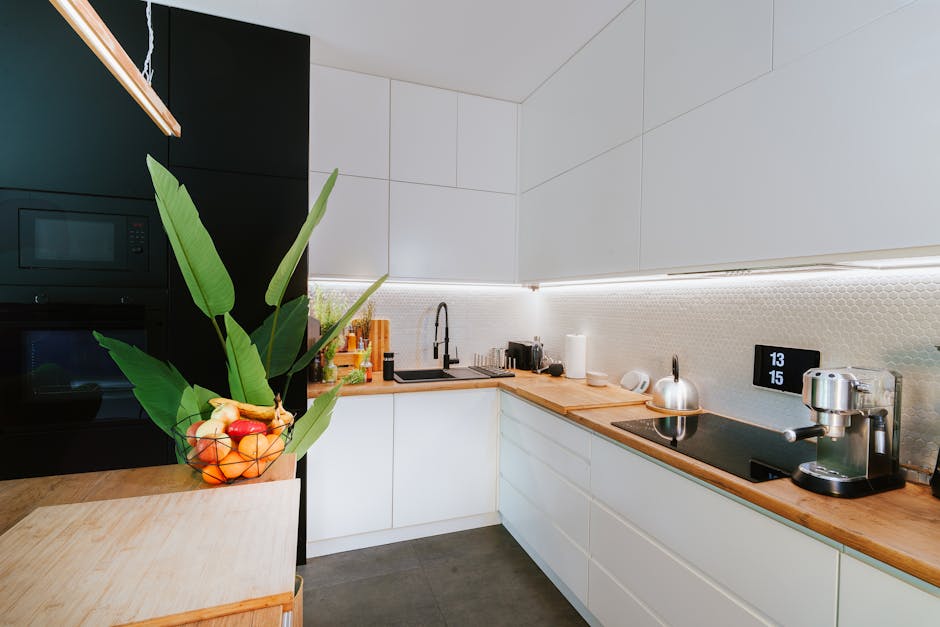
For today’s luxury buyers, bells and whistles aren’t optional they’re expected. Homes are closing faster when they come loaded with chef grade kitchens, integrated wine storage, and spaces built around wellness. These aren’t vanity upgrades; they’re lifestyle essentials for high end clients who know what they want and are willing to pay for it.
In new listings, we’re seeing a clear hierarchy in what draws attention. A tricked out kitchen with commercial level appliances isn’t just a flex it’s a baseline. Wine rooms with climate control are moving from rare upgrades to standard features in many listings. Wellness spaces think yoga rooms, infrared saunas, cold plunges are another box agents are expected to check.
Smart home tech has also crossed the line from luxury to necessity. Automated lighting, voice activated systems, and full home connectivity aren’t add ons anymore they’re foundational. If a property doesn’t have that ecosystem built in, it’s getting knocked down the buyer shortlist.
Read more about what matters most in luxury homes: Market updates 2023
What to Watch
The global economic climate is keeping luxury buyers on alert. Inflation, tightened lending conditions, and currency fluctuations have created caution even among ultra wealthy investors. Liquidity isn’t flowing as easily, which means high end properties are staying on the market longer and ambitious pricing is harder to justify. For motivated sellers, that spells negotiation. For well prepped buyers, it’s a window of opportunity.
At the same time, governments are turning their attention to foreign capital in real estate. In markets like Canada and parts of the EU, policymakers are pushing for higher taxes on non resident buyers and stricter reporting standards. The U.S. may not be far behind. These policy pivots are reshaping the calculus for international investors who now need to factor in more than just closing costs.
But in all the flux lies advantage. Q3 and Q4 are ripe with potential for sharp, decisive buyers. Those who are liquid and can move fast are expected to find strategic openings especially in markets where listings aren’t moving and sellers are ready to deal. This is not the time for broad strokes. It’s a moment for precise, informed action.
 Founder & CEO
Irenee Nunezerro is the visionary founder and CEO of Luxe House Maker, with over 15 years of experience in luxury real estate and interior design. Known for her expertise in blending opulence with innovation, Irenee launched Luxe House Maker to provide readers with comprehensive updates on the latest trends in high-end properties, interior décor, and smart home technology. Her passion for creating luxurious, technologically advanced spaces has positioned Luxe House Maker as a leading resource for those seeking to elevate their lifestyles. Irenee’s commitment to delivering cutting-edge content ensures that Luxe House Maker stays at the forefront of the luxury market.
Founder & CEO
Irenee Nunezerro is the visionary founder and CEO of Luxe House Maker, with over 15 years of experience in luxury real estate and interior design. Known for her expertise in blending opulence with innovation, Irenee launched Luxe House Maker to provide readers with comprehensive updates on the latest trends in high-end properties, interior décor, and smart home technology. Her passion for creating luxurious, technologically advanced spaces has positioned Luxe House Maker as a leading resource for those seeking to elevate their lifestyles. Irenee’s commitment to delivering cutting-edge content ensures that Luxe House Maker stays at the forefront of the luxury market.