You’re exhausted. Not the kind that sleep fixes. The kind where your to-do list laughs at you.
I’ve been there. Standing in the kitchen at 8 p.m., holding a bag of spinach and wondering if “eating better” means I have to quit my job to meal prep like a chef.
This isn’t another health article telling you to wake up at 5 a.m., track macros, or buy supplements you can’t pronounce.
It’s about what works when life is loud, time is short, and energy is low.
I tested every idea here. Not in a lab (but) in real homes, with real schedules, real budgets, real bodies. Some days that meant five minutes.
Some days it meant sitting down while cooking. Some days it meant doing nothing but breathing for sixty seconds and calling it a win.
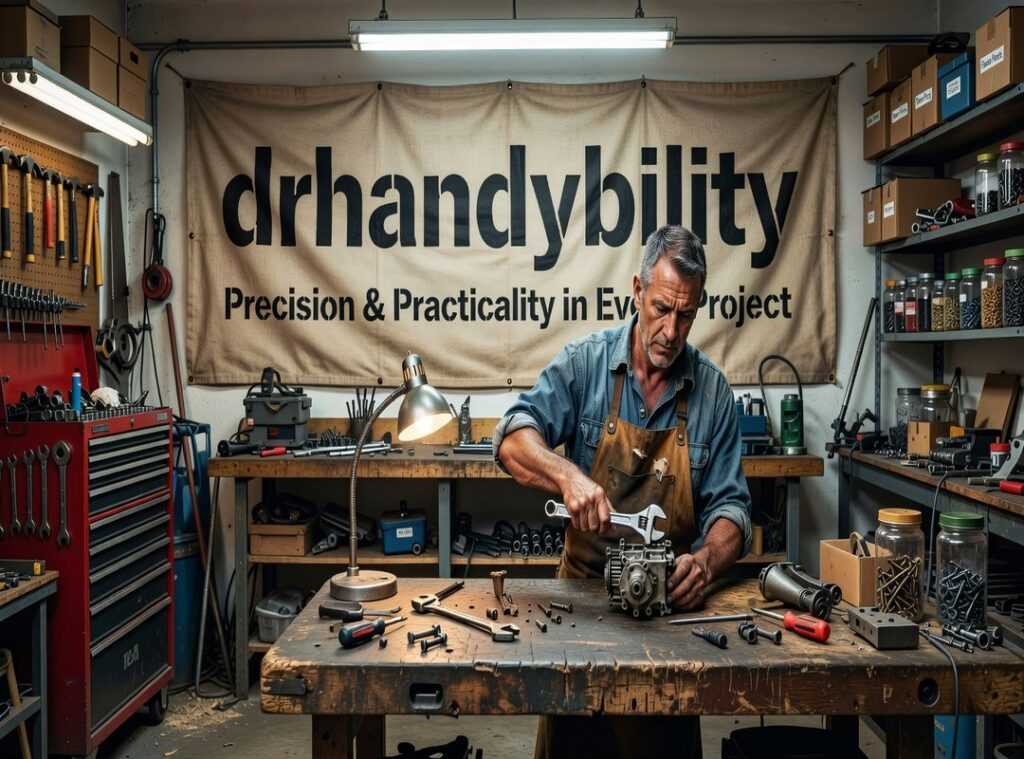
That’s what Drhandybility means. Not perfection. Not pressure.
Just tools that stick.
No medical advice. No dogma. No guilt.
Just clear, simple moves (backed) by actual use (that) fit your day, not someone else’s ideal.
You’ll walk away knowing exactly what to try tomorrow. And why it won’t fall apart by lunchtime.
What Makes a Health Solution Actually Handy?
Handy isn’t cute. It’s functional. It’s the difference between doing something and skipping it entirely.
I define handy by three things: simplicity, speed, and resilience.
Simplicity means no app download. No training video. No special gear.
If it needs a charger or a quiet room, it’s not handy. (It’s just another thing to remember.)
Speed means under five minutes (ideally) under two. Not “start your 45-minute guided meditation” (that’s) a commitment, not a tool.
Resilience means it works when you’re exhausted, overwhelmed, or mid-panic attack. Not just on good days.
Most health tools fail at least two of these. Apps demand daily logging. Protocols assume calm mornings and full focus.
They ignore how humans actually behave.
Here’s a real comparison:
| Feature | 2-Minute Breathing Anchor | 45-Minute Guided Meditation |
|---|---|---|
| Setup time | 0 seconds | 3 minutes (find headphones, find quiet, open app, pick track) |
| Works mid-stress? | Yes | No |
That’s the core idea behind Drhandybility.
Convenience isn’t lazy design. It’s respect for your attention and energy.
If it doesn’t pass all three tests. Walk away.
You’ll thank yourself later.
5 Health Hacks That Actually Stick
I tried the willpower route. It failed. Every time.
So I switched to cues you already do. No setup. No apps.
No new habits to remember.
Your body learns the link. Clients report less neck tension in three days. (It works.)
Posture reset: Stand up → roll your shoulders back and down. Do it every time you stand from your desk. That’s the trigger.
Hydration stacking: Drink a full glass of water right after you check email. Not before. Not later.
Right after. You’re already doing the email thing. Piggyback on that.
Micro-movement bursts: While brushing your teeth, lift your heels 20 times. Then 10 more. That’s 30 seconds.
Done. No extra time. Just muscle activation.
Sensory grounding. The 3-3-3 rule: Name 3 things you see. 3 sounds you hear. 3 things you feel (shoes on floor, air on skin, watch strap). Do it when your brain feels scrambled.
Works fast. Especially for caregivers.
Sleep transition ritual: Dim lights. Sit slowly. Count 60 slow breaths.
Not inhale-exhale. Just count. One breath per second.
That’s one minute. Signals your nervous system: we’re done.
You can read more about this in How to Be.
These aren’t “wellness tips.” They’re behavioral shortcuts backed by habit science (Lally et al., European Journal of Social Psychology, 2010).
Fatigue? Try the breath count and posture reset first.
Desk work? Hydration stacking and micro-movements fix the slump.
Caregiving? Sensory grounding is your reset button.
Drhandybility isn’t about doing more. It’s about using what’s already there.
You don’t need motivation. You need a cue (and) then you move.
That’s it.
No gear. No sign-up. No guilt.
Just stand. Drink. Lift.
Name. Breathe.
Avoiding the ‘Handy Trap’: When Simplicity Backfires
I used to think “handy” meant fast. Easy. Done before lunch.
Then I ignored knee pain for six weeks because foam rolling felt good. (Spoiler: it wasn’t fixing anything.)
That’s the handy trap. It tricks you into mistaking relief for resolution.
Three ways it backfires:
You skip real care because a quick fix feels right. You lean on caffeine and box breathing instead of asking why you’re exhausted every morning. You assume what works in your studio apartment will survive a roommate, a toddler, or a shared dishwasher.
Here’s your red flag: If your handy solution requires ignoring symptoms, delaying professional input, or causing new discomfort (it’s) not handy anymore.
Does it support awareness? Does it honor your limits? Does it leave room for adjustment?
Those three questions cut through the noise.
I learned this the hard way (after) two botched drywall patches and one very angry plumber.
True handiness isn’t about doing everything yourself. It’s knowing when to pause. When to call someone who’s seen this before.
That’s where Drhandybility lives (not) in speed, but in discernment.
If you want to build real skill (not) just quick wins. Start with how to be handy around the house the right way: How to Be Handy Around the House Drhandybility.
Stop fixing. Start understanding.
Your 7-Day Health Toolkit. No Perfection Required
I built this plan because I tried the “all-or-nothing” thing. It failed. Every time.
Day 1: Pick one hydration cue. Coffee? Phone open up?
Bathroom break? Drink a full glass right after. That’s it.
Where did it fit easily? Where did resistance show up (and) what does that tell you?
Day 2: Do the 3-3-3 grounding technique. Twice. Name 3 things you see, 3 sounds you hear, 3 parts of your body touching something.
(It works faster than you think.)
Day 3: Add one micro-movement to something you already do. Stand while brushing teeth. Stretch your arms overhead after sending an email.
Day 4: Pause before eating (not) to restrict, but to ask: Am I hungry or just bored?
Day 5: Write down one thing your body did well today. No grand feats. Just real stuff.
Like “my knees didn’t ache walking to the mailbox.”
Day 6: Skip a day. On purpose. Notice how it feels.
Then pick up where you left off (no) reset, no shame.
Day 7: Review your notes. Not for progress. For patterns.
This isn’t about building habits. It’s about building Drhandybility. Your ability to reach for tools that actually fit you, not some generic ideal.
You don’t need more willpower. You need better cues. Better timing.
Better self-awareness.
And if you forget a day? Good. That’s data.
Not failure.
Start small. Stay curious. Stop optimizing your life like it’s a software update.
Start Small. Stay Put.
I’ve seen what happens when health advice feels like homework.
You’re tired of another system that demands more time, more energy, more you.
Drhandybility meets you right where you are. Not where someone says you should be.
Health support shouldn’t feel like another chore. It should feel like breathing. Like checking the weather.
Like a quiet nod to yourself.
Consistency isn’t built on intensity. It’s built on showing up. Same time, same small thing, day after day.
Day 1 takes less than 60 seconds.
So pick one solution from section 2.
Do it at the same moment tomorrow.
No journaling. No tracking. Just notice how it feels.
Your health doesn’t need grand gestures.
It needs reliable, gentle returns. Starting now.
Try it tomorrow.
You’ll remember why small things stick.
 Lead Interior Design Expert
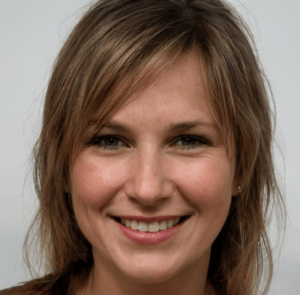
Maud Berthold is Luxe House Maker’s lead interior designer, bringing over a decade of experience in creating luxurious and functional living spaces. Specializing in the art of blending timeless elegance with modern sensibilities, Maud’s designs are known for their sophistication and attention to detail. She works closely with clients to craft interiors that reflect their personal tastes while adhering to the highest standards of luxury. From high-end furniture to custom décor, Maud ensures that each project is an exquisite balance of form and function, making her a key asset to the Luxe House Maker team.
Lead Interior Design Expert
Maud Berthold is Luxe House Maker’s lead interior designer, bringing over a decade of experience in creating luxurious and functional living spaces. Specializing in the art of blending timeless elegance with modern sensibilities, Maud’s designs are known for their sophistication and attention to detail. She works closely with clients to craft interiors that reflect their personal tastes while adhering to the highest standards of luxury. From high-end furniture to custom décor, Maud ensures that each project is an exquisite balance of form and function, making her a key asset to the Luxe House Maker team.