What Sustainable Design Really Means in High End Homes
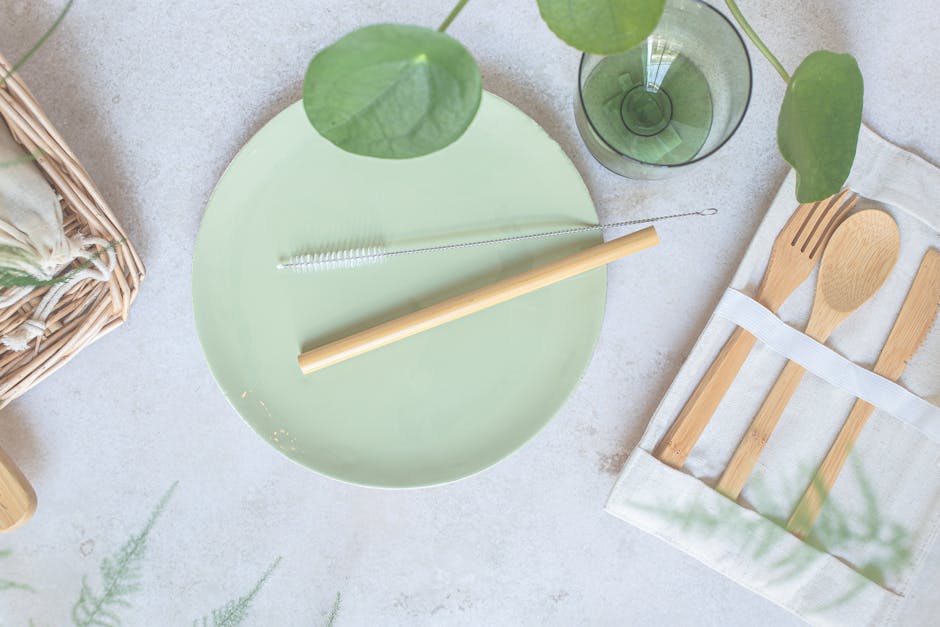
Luxury design is waking up. For years, greenwashing masked as sustainability: a token bamboo bowl here, recycled paper towels there. But discerning clients and designers are demanding more. Authentic sustainable practices now go deeper, touching everything from foundation to finish. That means responsibly sourced materials, energy efficient planning, and lifecycle conscious furnishing that shrugs off trend cycles.
Luxury is shifting from disposable opulence to deliberate durability. Long term value carries more weight than ever. Instead of chasing the latest glossy trend, homeowners are opting for solutions built to last handcrafted cabinetry over synthetic fast furniture, natural stone over faux finishes. The logic is simple: true luxury should age well, not fall apart.
This evolution isn’t about sacrificing aesthetics. On the contrary, modern eco conscious design often feels richer organic textures, warm neutral tones, and materials that wear in, not out. A reclaimed wood vanity tells a story. Natural clay walls breathe differently. Sustainability, in this light, isn’t a compromise it’s the mark of timeless luxury done right.
Materials That Do More With Less
Sustainable luxury isn’t about compromise it’s about smarter choices. High end homes in 2024 are leaning into materials that carry a light footprint without sacrificing visual impact. Reclaimed woods, for example, bring rich character to a space while avoiding the environmental cost of virgin lumber. Recycled metals and natural stone follow suit, offering durability and timeless appeal with fewer resources pulled from the earth.
But what goes on these surfaces matters just as much. Homeowners and designers are ditching high VOC finishes in favor of non toxic alternatives. These low emission paints, stains, and sealants do more than protect they promote cleaner air and healthier living spaces.
Every material decision contributes to indoor wellness. From hardwood floors that don’t off gas harmful chemicals to countertops that resist mold and bacteria, the goal is simple: build beautiful spaces that breathe easier. In a world where sustainability and health are non negotiable, finishes and fixtures have to do more and finally, they are.
Smart Homes, Smarter Footprints

In luxury homes, sustainability isn’t a compromise it’s a quiet upgrade. Energy efficient systems are getting slicker. Today’s top tier HVAC controls, smart thermostats, and insulation technologies don’t just trim energy bills they work in the background without ever interrupting comfort. Efficiency is no longer visible; it’s embedded.
Solar panels used to be optional. Now, they’re part of the blueprint. With battery storage systems improving fast, more high end homes are moving off partial grid reliance and into energy autonomy. It’s low profile, high impact and clients love the long term independence.
Water’s getting the smart treatment, too. Luxury estates are layering in weather aware irrigation, greywater reuse setups, and low flow fixtures that actually feel premium. It’s not just about saving the planet it’s about evolving what “well designed” really means. These choices are subtle, intentional, and built to stay.
Seamless Connection to Nature: The Biophilic Touch
Green has never looked this refined. More luxury homeowners are investing in natural sanctuaries not just as an aesthetic choice, but as a lifestyle shift. The goal isn’t to escape into nature, but to live more in step with it. That means homes designed around plants, light, air, and flow not just square footage.
Indoor outdoor architecture is the new frontier. Walls that slide away, courtyards that breathe, and rooms that blur the line between shelter and surroundings. It brings calm. It adds functional space without expanding footprint. And most importantly, it gives high end homeowners exactly what they want: a return to presence and simplicity, without giving up comfort.
Biophilic design isn’t about adding a fern in the corner and calling it a day. It’s about layering natural textures, using organic shapes, and maximizing daylight. The result? Spaces that lower stress, lift moods, and actually support well being.
Want to get started? Here are biophilic design tips worth bookmarking.
Elegance in Simplicity: Design That Endures
Minimalism With Soul: Curated, Not Cold
Minimalism in high end design is evolving. It’s no longer about stark, sterile spaces today’s luxury minimalism is warm, intentional, and deeply expressive. Instead of filling rooms with excess, designers are focusing on fewer, better pieces that tell a story.
Spaces prioritize quality over quantity
Every design element is chosen for its functionality and emotional resonance
Reduction doesn’t mean emptiness it means clarity and purpose
The Rise of Organic Textures and Timeless Palettes
Natural materials are taking center stage, offering both tactile richness and visual harmony. From untreated wood to stone and raw linen, these textures ground spaces and add an elegant authenticity.
Key characteristics of today’s enduring style:
Classic silhouettes that transcend fast changing trends
Neutral, earth toned palettes to promote calm and continuity
Handcrafted elements that create a sense of connection and individuality
Sustainability as a New Language of Timelessness
Sustainable design isn’t just a box to check it’s becoming synonymous with timeless luxury. Rather than chasing the latest look, high end homeowners are investing in pieces and materials that last, both aesthetically and structurally.
Thoughtful sourcing reflects long term values and reduced waste
Durable craftsmanship ensures generational design
Spaces are designed to evolve gracefully over time
In essence, elegance today is defined by intention, not excess. It’s about creating homes that feel grounded, meaningful, and built to last.
Choosing Trends That Actually Last
Chasing the latest design trend can feel like sprinting on a treadmill flashy, fast, and eventually exhausting. In high end homes, cycling through looks year after year isn’t just unsustainable; it’s a waste. The smarter move? Vetting trends for staying power before they ever hit the mood board.
Designers working with purpose look for signals: Is this aesthetic grounded in quality? Does it harmonize with natural materials? Can it adapt over time without losing its charm? Trends rooted in timeless craftsmanship and ease of use like warm wood tones, natural plasters, and clean lined furnishings tend to stick. Same goes for multi functional layouts and modular elements that can evolve with a client’s life, not just their taste.
Among today’s top picks: clay based paints for their matte beauty and breathability, stone floors that wear in (not out), and built ins designed to outlive the next dozen Pinterest waves. Sustainability is no longer a bonus it’s foundational. The future of luxury doesn’t sprint; it settles in. It’s focused, thoughtful, and impossible to fake.
The goal isn’t perfection. It’s building with intention, so what you create today still feels relevant next year and the one after that.
 Real Estate Specialist
Summer Hodgkinson is the real estate specialist at Luxe House Maker, offering expert insights into the world of luxury property markets. With a background in high-end real estate sales, Summer has a keen eye for identifying the most exclusive and sought-after properties. Her in-depth knowledge of the global luxury real estate landscape allows her to provide readers with valuable advice on investment opportunities, emerging markets, and the latest trends in upscale living. Summer’s expertise ensures Luxe House Maker stays on top of the ever-evolving luxury property market, helping readers make informed decisions.
Real Estate Specialist
Summer Hodgkinson is the real estate specialist at Luxe House Maker, offering expert insights into the world of luxury property markets. With a background in high-end real estate sales, Summer has a keen eye for identifying the most exclusive and sought-after properties. Her in-depth knowledge of the global luxury real estate landscape allows her to provide readers with valuable advice on investment opportunities, emerging markets, and the latest trends in upscale living. Summer’s expertise ensures Luxe House Maker stays on top of the ever-evolving luxury property market, helping readers make informed decisions.