
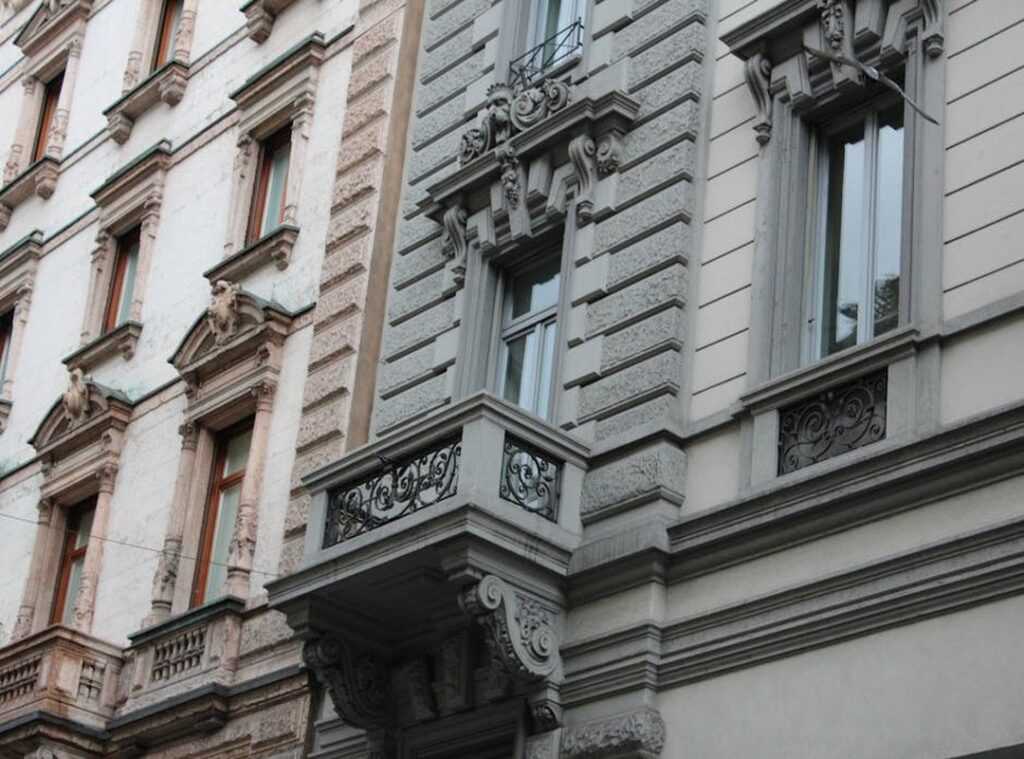
You’ve seen those renderings.
Flat. Generic. Like they were made by a committee that forgot what buildings are for.
Then you see a Kdarchitects project (and) it hits you in the gut. Not because it’s flashy. Because it feels right.
I’ve studied every built project they’ve released in the last decade. Residential. Cultural.
Adaptive reuse. Same logic runs through all of them.
Clients tell me they’re tired of choosing between pretty pictures and actual buildability.
They want clarity. Not noise.
This isn’t about surface-level style. It’s about how Kdarchistyle Architecture Styles by Kdarchitects solves real problems. Light, material, site, memory.
Without shouting.
I’ll show you the three things they never skip. No jargon. No theory.
Just what’s visible in the drawings and on site.
You’ll know exactly why their work stands out (even) if you don’t know architecture.
I’ve walked these buildings. Talked to the contractors. Sat with the clients after move-in.
That’s how I know what’s working (and) what’s just decoration.
This article strips away the buzzwords.
You’ll walk away knowing how to spot real design logic.
Not just another rendering.
Kdarchistyle: Not Just Pretty Facades
I don’t buy the idea that architecture should look good then work well. It has to do both at once. Or it fails.
Kdarchistyle is built on that belief. Not as theory. As practice.
Precise material layering is non-negotiable. Brick over board-formed concrete over steel. Each layer does something: weather protection, thermal mass, structure.
No decoration hiding weakness.
Rhythmic fenestration? Yes. But only where daylight and cross-ventilation demand it.
I’ve seen clients ask for “more rhythm” just to match a photo. I said no. Windows go where people need light and air.
Not where Instagram says they look nice.
Intentional asymmetry isn’t rebellion. It’s response. A sloping site?
The mass shifts. A neighbor’s tall fence? The facade pivots.
Balance isn’t symmetry. It’s weight, light, and use. Distributed honestly.
Compare the Hillside Residence (a Kdarchistyle home) with a standard luxury spec house on the same street. Same square footage. Same budget.
But one breathes. The other sweats in summer and chills in winter. Because its windows ignore sun angles and its walls have no thermal plan.
These traits shift across climates. A desert project uses deeper overhangs and lighter reflective surfaces. A coastal one prioritizes salt-resistant cladding and storm-rated openings.
Adaptation isn’t compromise. It’s respect.
Kdarchistyle Architecture Styles by Kdarchitects aren’t a checklist. They’re decisions made under pressure (with) real consequences.
You feel the difference when you walk in. You just do.
Context Isn’t Wallpaper. It’s the Blueprint
I map the land before I draw a line. Topography first. Solar path next.
Then I walk the site looking for local stone, clay, timber. What’s already here and why it’s here.
That stone isn’t just pretty. It’s structural. It’s thermal.
It’s rhythm.
In the Cedar Hollow project, we used fieldstone quarried three miles away. Not because it matched the neighbor’s wall (it didn’t). Because its thickness dictated column spacing.
Its irregular bedding planes shaped the façade joints. You feel the weight in the rhythm.
That’s how Kdarchistyle Architecture Styles by Kdarchitects actually lands (not) as an overlay, but as an outcome.
Superficial contextualism? That’s copying roof pitches from a 1920s bungalow two blocks over. Without asking: Was that pitch for snow load?
For attic ventilation? Or just cheap framing?
I’ve seen it. A building that looks “appropriate” but sweats in July and freezes in January. All because someone copied a shape instead of studying the reason behind it.
You don’t mimic context. You respond to it.
And when you do. When solar modeling informs overhang depth, when stone grain dictates module size (the) result doesn’t feel imposed. Even if it’s sharp.
Even if it’s new.
It feels inevitable.
That’s the difference between decoration and design.
Most architects skip the site analysis. They call it “research.” I call it homework. Do your homework.
Detail Integrity: Why Skipping Steps Breaks Buildings
I don’t care how cool your sketch looks. If it doesn’t hold up in the field, it’s just wallpaper.
Kdarchistyle Architecture Styles by Kdarchitects treats every line like a promise. Not a suggestion. A promise to the bricklayer, the framer, the client waiting for doors that actually close.
Take brick coursing at window openings. In the concept model, it’s a rhythm. Three stretchers, one header, repeat.
Simple. But in the construction docs? That same rhythm locks into lintel depth, flashing placement, and mortar joint tolerance.
Miss one variable and the whole run steps out of alignment.
You think contractors don’t notice? They do. And they charge for fixing your inconsistency.
That’s why I insist on tracing details from napkin sketch to shop drawing. Every time. No shortcuts.
No “we’ll figure it out onsite.” (Spoiler: you won’t.)
What Is Basic Architectural Style Kdarchistyle explains how this discipline starts long before CAD opens.
Clients win because change orders drop. Not by 10%. By 60% or more.
Their timelines stay predictable. Their budgets stay intact.
BIM helps (but) only if you feed it real decisions, not placeholder guesses. Parametric testing catches clashes. It doesn’t replace judgment.
I’ve seen teams lean too hard on software and forget who’s holding the trowel.
Detail integrity isn’t about perfection. It’s about respect.
Respect for materials. Respect for labor. Respect for the person signing the check.
If your detail changes between phases, ask yourself: Who pays for that shift?
It’s never the architect.
Why Clients Pick Kdarchistyle. Not the Next Big Thing
I’ve watched clients panic after their “Instagram-perfect” house felt tired by year three.
They didn’t just hate the wallpaper. They hated how the whole logic collapsed when life changed. A home office added, kids moved out, aging parents moved in.
I anchor every decision in how people move, gather, and breathe in space (not) what’s lighting up Pinterest this month.
Trends don’t scale with real life. Spatial logic does.
One client told me: “We still love the flow ten years later (even) after tearing out two walls and adding a sunroom.”
Another said: *“The first time we hosted Thanksgiving, it felt magical. The tenth time? Still calm.
Still right.”*
That’s not luck. It’s design that refuses to date itself.
Budget shifts? Program changes? The core idea stays legible.
You don’t start over. You adapt.
Most firms sell you a moment. I help you build a lifetime.
You want architecture that doesn’t beg for a redo every five years? Check out the Kdarchistyle architecture styles by kd architects.
Clarity Before Color
I’ve seen too many projects stall in mood boards. You know the ones. Pinterest pins.
Vague “vibes.” Zero decisions.
That’s not design. That’s delay.
You’re not hiring for a style. You’re hiring for direction. For alignment.
For fewer revisions.
Kdarchistyle Architecture Styles by Kdarchitects is built on that. Not just aesthetics. It’s how we lock in intent before sketching a line.
You want your next discovery meeting to move forward (not) circle back.
So download the free project alignment checklist now. It’s five minutes. It stops scope creep before it starts.
We’re the top-rated firm for clients who hate rework.
Grab it before your next call.
Clarity isn’t the first step. It’s the foundation.
 Lead Interior Design Expert
Maud Berthold is Luxe House Maker’s lead interior designer, bringing over a decade of experience in creating luxurious and functional living spaces. Specializing in the art of blending timeless elegance with modern sensibilities, Maud’s designs are known for their sophistication and attention to detail. She works closely with clients to craft interiors that reflect their personal tastes while adhering to the highest standards of luxury. From high-end furniture to custom décor, Maud ensures that each project is an exquisite balance of form and function, making her a key asset to the Luxe House Maker team.
Lead Interior Design Expert
Maud Berthold is Luxe House Maker’s lead interior designer, bringing over a decade of experience in creating luxurious and functional living spaces. Specializing in the art of blending timeless elegance with modern sensibilities, Maud’s designs are known for their sophistication and attention to detail. She works closely with clients to craft interiors that reflect their personal tastes while adhering to the highest standards of luxury. From high-end furniture to custom décor, Maud ensures that each project is an exquisite balance of form and function, making her a key asset to the Luxe House Maker team.