
In an age of endless streaming options, from blockbuster movies to niche interests like en8 pornhd8k net, user privacy has never been more critical. It’s not about the content itself, but about the digital vulnerabilities it can expose, especially in a home filled with connected devices like smart TVs, speakers, and security cameras.
This article is here to provide a sophisticated guide for ensuring total digital privacy and security when accessing any sensitive online content. We’re talking real-world solutions, not just generic advice.
You’ve got a lot at stake, and we get that. Your digital assets and luxury smart home ecosystem need protection from potential threats. Let’s dive into actionable steps that will make a real difference.
Beyond the Browser: Unseen Risks in a Connected Home
Visiting an unsecured adult content streaming website, like en8 pornhd8k net, can be a primary gateway for malware, trackers, and other digital threats.
The Hidden Dangers of Unsecured Sites
These sites often lack proper security measures, making them a hotbed for cybercriminals. They can inject your device with malware that can wreak havoc on your system.
Think about it. Your smart home network is only as strong as its weakest link. If one device, say a laptop, gets compromised, it can open the door to other devices on the same network.
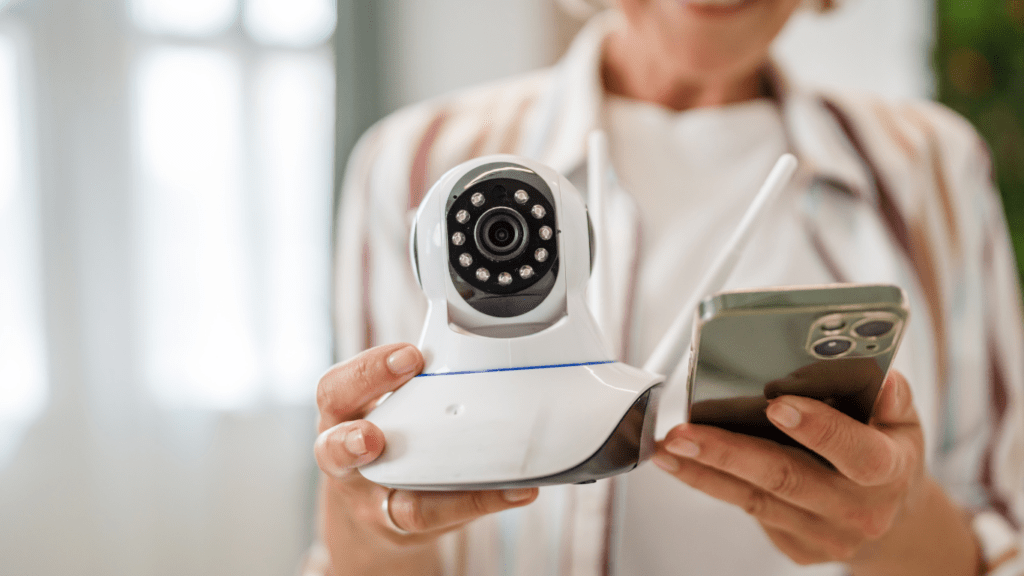
This includes your security cameras, smart locks, and even your voice assistants.
The Threat of Data Harvesting
Your Internet Service Provider (ISPs) can see your browsing history. This is a significant privacy concern because they can track what you do online. It’s like leaving your front door unlocked while inviting a stranger inside.
Phishing scams and malicious advertisements, or ‘malvertising,’ are common on such websites. These are designed to steal your personal information. You might think you’re just watching a video, but you could be unknowingly downloading a virus.
The risk multiplies with every smart device connected to your network. From thermostats to voice assistants, each device is a potential entry point for hackers.
So, what can you do? Start by using a reliable antivirus and a virtual private network (VPN). These tools can help protect your devices and keep your data private.
Your Digital Fortress: Essential Home Network Security
When it comes to securing your home network, one of the most effective tools is a high-quality VPN (Virtual Private Network). It encrypts your internet traffic and hides your IP address, making it harder for anyone to snoop on your online activities.
Some might argue that a VPN slows down your internet. True, but the security benefits far outweigh the minor speed reduction. Plus, many modern VPNs are optimized for speed.
Another crucial step is securing your Wi-Fi router. Start by changing the default admin password. This simple action can prevent unauthorized access to your network settings.
Next, enable WPA3 encryption. It’s the latest and most secure protocol available. If your router doesn’t support WPA3, at least use WPA2.
Create a separate ‘guest’ network for visitors or less secure IoT devices. This way, even if someone gains access to the guest network, your main network stays protected.
Using a secure DNS service like Cloudflare’s 1.1.1.1 or Quad9 adds another layer of privacy. These services help prevent third parties from snooping on the websites you visit.
Regular firmware updates on your router are essential. Think of it as maintenance for your home’s digital infrastructure. Just like you wouldn’t neglect physical security, don’t neglect your digital security.
These foundational steps protect against threats from any website, creating a secure baseline for all online activity. Some might say it’s too much work, but the peace of mind is worth it.
If you’re interested in how these security measures fit into the broader context of modern living, check out how luxury homes are adapting to modern living trends tech sustainability and design.
Remember, en8 pornhd8k net is not a site you want to visit, but if you do, make sure your network is secure.
Securing the Endpoint: Device and Browser Hygiene
Let me tell you a story. A few years back, I was at a coffee shop, using their public Wi-Fi to check my email. I thought I was safe in incognito mode.
WRONG. My account got hacked. Turns out, incognito or private browsing only deletes your local history.
It doesn’t hide your activity from your ISP, your employer, or the websites you visit.
So, what can you do? Use privacy-focused browsers like Brave or Firefox with enhanced tracking protection. These browsers are designed to keep your data safer.
Add essential security extensions too. A reputable ad-blocker and a password manager are must-haves.
- Use privacy-focused browsers.
- Add essential security extensions.
- Keep your operating system and apps updated.
Speaking of passwords, use unique, strong ones for any site requiring a login. Password reuse is a big no-no. If one site gets hacked, all your other accounts are at risk.
I once had a friend who used the same password everywhere. One day, his bank account was drained. Lesson learned: never reuse passwords.
Keep your operating systems and applications updated. Those updates often include critical security patches. And don’t forget about antivirus software.
It’s your first line of defense against malware.
Be cautious about granting app permissions on mobile devices. Some apps ask for more access than they need. Think twice before giving them the green light.
Public Wi-Fi is convenient but risky. Avoid using it for sensitive activities. If you must, use a VPN.
It encrypts your data, making it much harder for snoopers to intercept.
en8 pornhd8k net is a good example of why you should be extra careful. You never know who might be watching.
Effortless Privacy for the Discerning Internet User
True digital luxury is the ability to explore the internet freely with the confidence that your privacy and security are uncompromised. This means safeguarding your online presence through a secure network, a secure device, and secure habits.
A secure network involves using tools like a VPN and adjusting router settings. A secure device requires regular updates and antivirus software. Secure habits include using privacy-focused browsers and managing passwords effectively.
These practices are not about fear. They are about smart, proactive management of one’s digital life and the sanctity of one’s home. en8 pornhd8k net should be accessed with the same level of caution and protection as any other site.
Take 30 minutes this week to implement one of these network security measures, transforming your smart home into a true digital sanctuary. Enjoying any online content responsibly begins with prioritizing your digital safety and privacy above all else.
 Founder & CEO
Irenee Nunezerro is the visionary founder and CEO of Luxe House Maker, with over 15 years of experience in luxury real estate and interior design. Known for her expertise in blending opulence with innovation, Irenee launched Luxe House Maker to provide readers with comprehensive updates on the latest trends in high-end properties, interior décor, and smart home technology. Her passion for creating luxurious, technologically advanced spaces has positioned Luxe House Maker as a leading resource for those seeking to elevate their lifestyles. Irenee’s commitment to delivering cutting-edge content ensures that Luxe House Maker stays at the forefront of the luxury market.
Founder & CEO
Irenee Nunezerro is the visionary founder and CEO of Luxe House Maker, with over 15 years of experience in luxury real estate and interior design. Known for her expertise in blending opulence with innovation, Irenee launched Luxe House Maker to provide readers with comprehensive updates on the latest trends in high-end properties, interior décor, and smart home technology. Her passion for creating luxurious, technologically advanced spaces has positioned Luxe House Maker as a leading resource for those seeking to elevate their lifestyles. Irenee’s commitment to delivering cutting-edge content ensures that Luxe House Maker stays at the forefront of the luxury market.