You are entitled to privacy in your home. However, a landlord is allowed entry into your rental unit for legitimate reasons.
These two concepts may seem to contradict one another, but they do not. When finding a balance of both rights and responsibilities, tensions between landlords and tenants will be reduced.
Read this article, as we will explore different ways in which you, as a renter, can maintain your private space, and the landlord can oversee the condition of the property.
Why Privacy and Property Oversight Should Coexist?
Privacy and oversight are not adversaries; they are two sides of a healthy rental relationship.
You have the right to feel secure in your home without unannounced or unwanted entries. Your landlord needs reasonable access to their investment (property) for maintenance and protection. When both parties respect each other’s needs, conflicts dissolve.
Many rental owners partner with Bay Property Management Group Northern Virginia to ensure maintenance checks and routine inspections are handled respectfully and in accordance with local regulations. These routines are also done with respect for tenants and their right to privacy as well.
Tenant Privacy Expectations in Rental Housing
A tenant does not give up their right to privacy by renting a space. The tenant’s living area is considered by the courts as their “sanctuary”, and thus is entitled to certain levels of protection.
Knowing your tenant rights regarding privacy will help you realize whether a landlord has crossed an established boundary. Below are some of the most important tenant rights for a peaceful living environment.
1. Right to Peaceful Living
The moment you enter into a lease agreement, you have a legal right to live peacefully in your home. You have the right to remain free from interference from your landlord. There must be a justifiable reason for your landlord to disturb your peaceful living.
Interference could be anything, including excessive noise. It may also include unauthorized access to your home, or turning off your water, electricity, etc. If your landlord continues to harass you, then you may file a lawsuit against them.
2. Right to Notice Before Landlord Entry
Landlords can’t come into your rental whenever they want. In most places, landlords are required to give you some notice, usually anywhere from 24 to 48 hours, before they come in.
This gives you time to get ready for them to arrive and maintain your right to be private. There are a few ways around this rule: emergencies such as fires or gas leaks. If you have agreed to allow the landlord to enter without advance notice, or if you have vacated the premises.
3, Protection Against Unlawful Surveillance
Landlord privacy violations include installing and monitoring hidden cameras, microphones, etc. Your landlord can’t install video or audio recording equipment to monitor you inside your rental unit.
However, they can install cameras, etc., in common areas (hallways, lobby, etc.) as long as the installation respects tenant privacy. If you find hidden surveillance in your rental unit, report this to your landlord immediately. Hidden surveillance is a serious breach of your rights and could lead to a serious legal case against your landlord.
4. Privacy in Communications and Lease Terms
Your private information will be kept confidential. Landlords are prohibited from sharing your social security number, rental history, credit records, or any other private information with anyone.
Landlords are also prohibited from requesting information regarding your personal life, guest pattern, or work schedule unless there is something in your lease agreement that relates to the requested information. If your landlord shares private information about you without your consent, you may file a complaint.
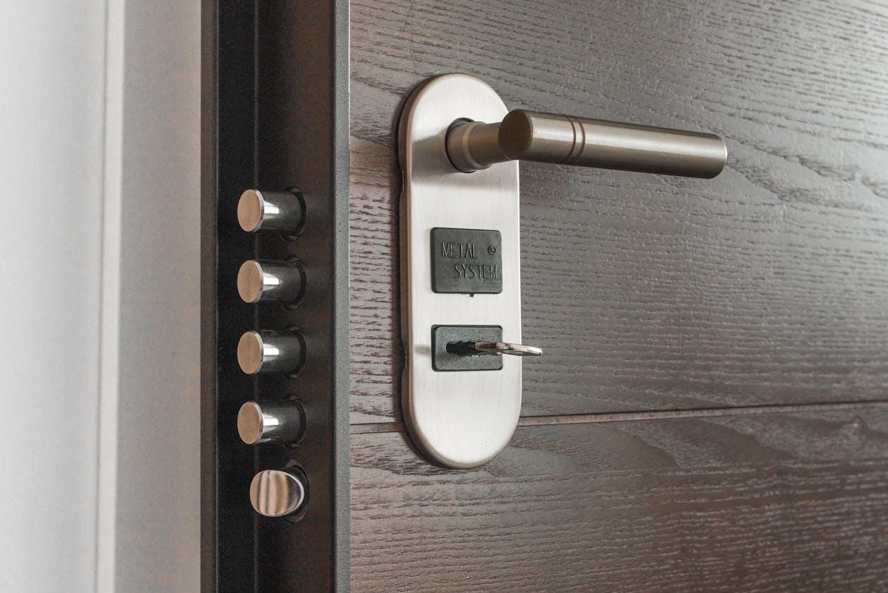
5. Right to Change Locks in Certain Situations
You are entitled to be able to feel secure in your own home. There are a few states that allow a tenant to make their own lock changes when they need it, such as a domestic violence situation when the tenant needs immediate safety, etc., but this should always be checked with your landlord/lease prior to changing the lock(s) on your rental unit.
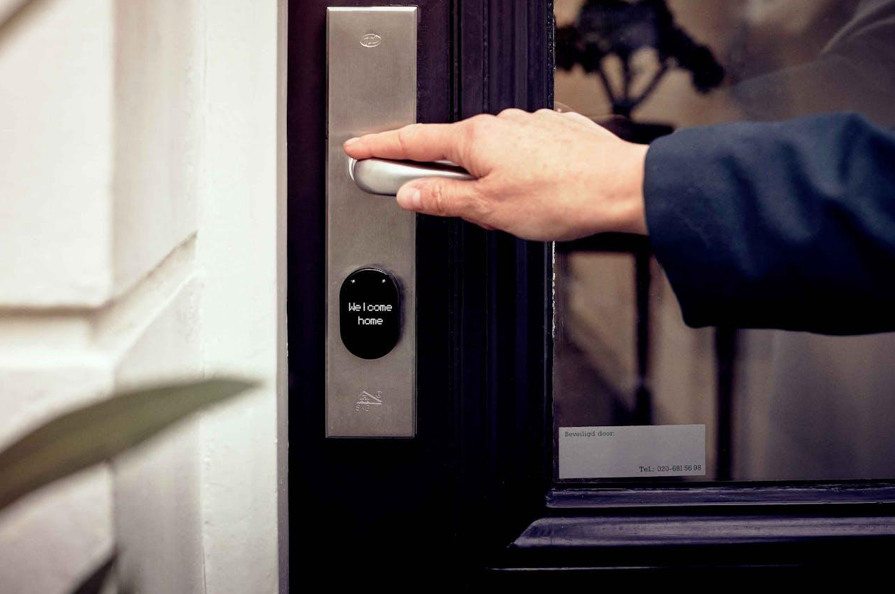
Many landlords consider finding smart locks for a rental property because digital access codes can be changed easily between tenants, reducing the risk of unauthorized entry.
6. Protection Against Harassment and Retaliation
Your landlord can’t retaliate against you for asserting your rights under the law. If your landlord threatens you, shuts off your utilities, conducts an unreasonable number of inspections, or refuses to repair something, these actions could be considered harassment.
If you report unauthorized entry into your rental unit, or if you invoke your right to privacy, your landlord cannot retaliate against you by filing eviction proceedings or increasing your rent. You should document all interactions with your landlord, and report any violations of your rights to your local housing authority.
7. Right to Be Free from Unauthorized Entry
Even though there may be some type of notice for when the landlord will enter the home, this does not give them the right to enter at any time.
The use of a spare key without your consent, entering your home while you are absent from it (without first notifying you), or allowing an uninvited stranger into your home (without your consent) is a violation of your rights as a tenant.
Maintain documentation of all unauthorized entries. When your landlord repeatedly breaks your agreed-upon entry rules, make a formal complaint.
Why Property Oversight is Still Necessary?
Reasonable property oversight is about providing you with a safe place to live and helping to protect your landlord’s investment. Access is important for both parties.
Protecting the Property Condition
Inspections help identify problems while they are still minor. Minor problems will turn into major problems if they are not addressed. Examples include a leaky pipe behind a cabinet, a slow leak on a roof, or faulty wiring.
If the landlord can find these types of problems when they first appear, the repairs will be minimal. The property will remain safe and functional, helping them create investment properties that last for generations. The landlord can also ensure that you are renting a property that complies with local and state building and safety codes.
Ensuring Lease Compliance
Lease agreements exist to protect everyone. Property oversight ensures that the terms of the agreement are being followed, such as no unauthorized pets, additional occupants, or damage to the property. This isn’t about policing your life. This is about making sure all tenants are treated fairly, and the property remains in good condition for all tenants.
Conclusion
Both tenants and landlords have important rights and obligations. These rights can be fully respected when each side has a good understanding of what is allowed and expected.
Providing proper advance notice for regular inspections and using modern technologies such as smart lock systems allows for a mutually respectful process. The better you know what is allowed or required, the less likely you are to experience conflict.
 Founder & CEO
Irenee Nunezerro is the visionary founder and CEO of Luxe House Maker, with over 15 years of experience in luxury real estate and interior design. Known for her expertise in blending opulence with innovation, Irenee launched Luxe House Maker to provide readers with comprehensive updates on the latest trends in high-end properties, interior décor, and smart home technology. Her passion for creating luxurious, technologically advanced spaces has positioned Luxe House Maker as a leading resource for those seeking to elevate their lifestyles. Irenee’s commitment to delivering cutting-edge content ensures that Luxe House Maker stays at the forefront of the luxury market.
Founder & CEO
Irenee Nunezerro is the visionary founder and CEO of Luxe House Maker, with over 15 years of experience in luxury real estate and interior design. Known for her expertise in blending opulence with innovation, Irenee launched Luxe House Maker to provide readers with comprehensive updates on the latest trends in high-end properties, interior décor, and smart home technology. Her passion for creating luxurious, technologically advanced spaces has positioned Luxe House Maker as a leading resource for those seeking to elevate their lifestyles. Irenee’s commitment to delivering cutting-edge content ensures that Luxe House Maker stays at the forefront of the luxury market.