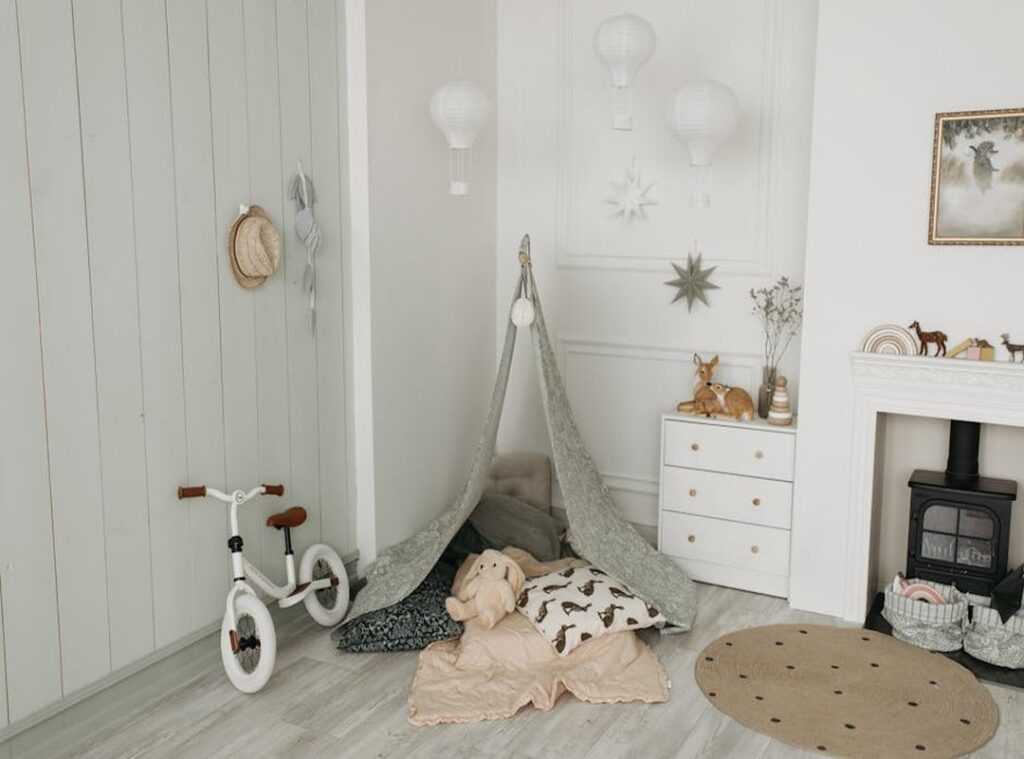
You’re standing in the middle of a half-unpacked nursery.
Your phone is full of tabs. Pinterest. Amazon.
That one blog that says “you absolutely need a Montessori mobile and a sensory wall and a $249 wooden growth chart.”
I’ve been there. More times than I can count.
And here’s what I know: most of those lists are noise.
They’re built for clicks (not) kids.
I’ve watched toddlers learn to climb, pour, dress themselves, and fall asleep. in real homes, not showrooms.
I’ve sat with pediatric occupational therapists and early educators while they watched kids interact with furniture, toys, and space.
Not once did they say “add a velvet ottoman.”
They said things like “floor space matters more than storage” and “if it’s not safe at 8 months, it’s not safe at 3 years.”
This isn’t about luxury. It’s about function. Safety.
Growth.
What you actually need fits in one hand.
Everything else? Optional. Or worse.
Distracting.
Kids Room Essentials Ththomedec means the few things that do move the needle on independence, safety, and development.
No fluff. No trends. Just what works.
Over the next few minutes, I’ll walk you through each non-negotiable. And why it’s on the list.
You’ll know exactly what to buy, what to skip, and why.
Safety First: Not Optional, Just Real
I anchor furniture. Every single piece that could tip. Not because I’m paranoid.
Because ASTM F2057 exists for a reason. And yes, it’s the standard. You’re not guessing.
You’re following it.
Window blinds with cords? I cut them out. Cordless only.
That cord is a silent hazard. You know it. I know it.
Your kid doesn’t get to find out the hard way.
Outlet covers? Sliding plates. Not plastic caps.
Caps pop off. UL 498 says so. Sliding plates stay put.
Non-slip rug pads? Yes. Not rubber-backed rugs.
They require force. Kids don’t have that kind of patience. Or strength.
Not double-sided tape. Actual pads. The kind that grip both floor and rug.
Because one slip on a throw rug sends a toddler sideways faster than you can say “uh-oh”.
Smoke/CO detector? Battery backup. Hardwired plus battery.
If the power goes, it still works. I test mine monthly. Not because I love alarms.
But because silence in that case means failure.
Here’s what I saw last year: homes audited by CPSC-certified inspectors dropped tip-over injuries by 72% after anchoring. Not magic. Just physics and follow-through.
Skip the ladder-style crib rails. They’re outdated. Dangerous.
Nightlights near curtains? No. Mattress gap in convertible cribs?
Check it every time you adjust the height.
You want real peace of mind? Start with Ththomedec. Their Kids Room Essentials Ththomedec list lines up with what actually works (not) what looks cute online.
Sleep Foundation: What Actually Works for Real Kids
I’ve watched too many parents wrestle with sleep myths. So let’s cut the noise.
A firm, snug-fitting mattress is non-negotiable. If you can fit two fingers between the mattress and crib side (it’s) unsafe. Gaps invite entrapment.
I’ve seen it. It’s not theoretical.
Use breathable cotton or bamboo crib sheets. Not stretchy knits. They bunch.
They ride up. They’re a suffocation risk. AAP says so.
Their 2023 safe sleep guidelines are clear: no loose bedding until age one.
That means zero weighted blankets. Zero crib bumpers. Zero thick quilts.
Weighted blankets aren’t sleep aids (they’re) hazards for infants. Bumpers don’t prevent injuries. They cause them.
A wearable blanket or sleep sack? Yes. That’s the only safe warmth option under age one.
Don’t rush the crib-to-toddler bed transition. Climbing out consistently? That’s the signal.
Not age, not “he’s big enough.” Safety thresholds come first. Not convenience.
I know you want peace. But peace built on unsafe gear isn’t peace. It’s delayed panic.
You’ll find better options in Kids Room Essentials Ththomedec. But skip anything that violates those three rules.
If your setup breaks even one of these, fix it tonight. Not tomorrow. Not after vacation.
Tonight.
Real Tools, Not Toy Clutter
I bought a $12 step stool. My kid climbed it to reach the sink (without) help. By age two.
Low open shelving at their height? That’s autonomy in wood form. They grab books.
Put them back. Stack blocks. No adult permission needed.
The floor mirror (tilted) 30°, bolted down. Wasn’t for selfies. It was for watching their own legs kick while lying on their back.
Self-recognition and vestibular input. Done.
That “yes space” bin? Rotating tactile objects every 7 (10) days keeps things fresh without drowning the room in plastic junk. Wooden blocks.
A nubby washcloth. A smooth river stone. Real texture.
Real weight. Real focus.
Skip the battery-powered “learning” toys. They talk at kids. They don’t wait.
They don’t listen. They replace you.
Light-up mats? They train kids to chase flashing lights (not) sustain attention.
These four items cover motor skills, language, and independence. All under $60 total.
You don’t need more stuff. You need the right stuff (placed) where kids can use it, not admire it from afar.
For smart, calm, functional spaces, check out these Home Decor Ideas Ththomedec.
Kids Room Essentials Ththomedec isn’t about matching rugs. It’s about what your kid touches, climbs, sees, and chooses. Every single day.
Rotate the bin. Tighten the mirror bolts. Wipe the stool.
Do it now.
Storage That Doesn’t Lie to You

I’ve watched kids stare at a bin labeled “blue” while holding a red crayon. Color-coding fails. Kids use shape, texture, and photos.
Not hue. To find things.
Open access is non-negotiable. No latches. No high shelves.
If they can’t reach it or open it alone, it’s not storage (it’s) a barrier.
Visual labeling means photos + words. Not just an icon of a book. A real photo of their book, next to the word “books”.
They recognize themselves faster than symbols.
Zone-based grouping works because brains crave predictability. Books on the bottom shelf. Art supplies in a low drawer with a handle.
Legos in a wide, shallow bin. Never stacked.
You can read more about this in Home Decoration Ideas Ththomedec.
Under-bed rolling bins with soft-close lids? Yes. Wall-mounted canvas pockets for tiny stuff?
Absolutely. A single-tier book display stand? No stacking.
Just one clean row.
That “reset routine” hack? One minute each night. Return only three items to their labeled spot.
Done. No guilt. No overwhelm.
You don’t need more stuff. You need systems that match how kids actually think.
This is why I keep coming back to simple, grounded solutions. Not trends.
Kids Room Essentials Ththomedec isn’t about matching sets. It’s about what stays functional after the third meltdown.
Try the photo labels first. Watch what changes.
Lighting, Air, and Sensory Balance: What Your Kid’s Room
I set up my son’s room wrong the first time. Bright white lights. A dusty air filter.
Thin curtains that let streetlight bleed in at 5 a.m. He was wired at bedtime and foggy by noon.
So I fixed it. Not with more toys or louder timers. But with four things most parents skip.
First: dimmable warm-white LED ceiling light (2700K. 3000K). Blue-enriched light before age six? It flattens melatonin.
The Journal of Clinical Sleep Medicine proved it. Your kid isn’t “just resisting sleep.” Their brain is getting hijacked.
Second: a quiet HEPA air purifier with child-lock. EPA says PM2.5 must stay under 12 µg/m³ in bedrooms. I use an AQICN monitor ($45) on Amazon.
It tells me when the air turns toxic (yes, even with windows closed).
Fourth: a sensory corner. Weighted lap pad. Textured fidget board.
Third: blackout shades with side tracks. Top-down only lets light sneak in sideways. It defeats the whole point.
No scented diffusers (important) oils risk lung irritation in young kids.
This isn’t luxury. It’s baseline. If you’re building out your list of Kids Room Essentials Ththomedec, start here (not) with wall decals.
You’ll find real-world room setups that match this logic in this guide.
Room Ready. Not Perfect. Just Right.
I built rooms like this for years. I saw parents drown in lists. Buy everything.
Then panic when it didn’t work.
This isn’t about perfection. It’s about cutting through noise. Science says these 15 things matter.
Real families confirm it. Safety first. Sleep next.
Then development, organization, and sensory calm. No fluff.
You already know what’s missing. That pile of unopened toys? The crib that doesn’t meet current standards?
The shelf that wobbles? Yeah. That’s the pain.
Grab the Kids Room Essentials Ththomedec checklist. Print it. Audit your room now.
Cross off what you have. Circle the top 3 to get this week.
You don’t need more stuff. You need the right stuff. In the right place.
At the right time.
 Lead Interior Design Expert
Maud Berthold is Luxe House Maker’s lead interior designer, bringing over a decade of experience in creating luxurious and functional living spaces. Specializing in the art of blending timeless elegance with modern sensibilities, Maud’s designs are known for their sophistication and attention to detail. She works closely with clients to craft interiors that reflect their personal tastes while adhering to the highest standards of luxury. From high-end furniture to custom décor, Maud ensures that each project is an exquisite balance of form and function, making her a key asset to the Luxe House Maker team.
Lead Interior Design Expert
Maud Berthold is Luxe House Maker’s lead interior designer, bringing over a decade of experience in creating luxurious and functional living spaces. Specializing in the art of blending timeless elegance with modern sensibilities, Maud’s designs are known for their sophistication and attention to detail. She works closely with clients to craft interiors that reflect their personal tastes while adhering to the highest standards of luxury. From high-end furniture to custom décor, Maud ensures that each project is an exquisite balance of form and function, making her a key asset to the Luxe House Maker team.