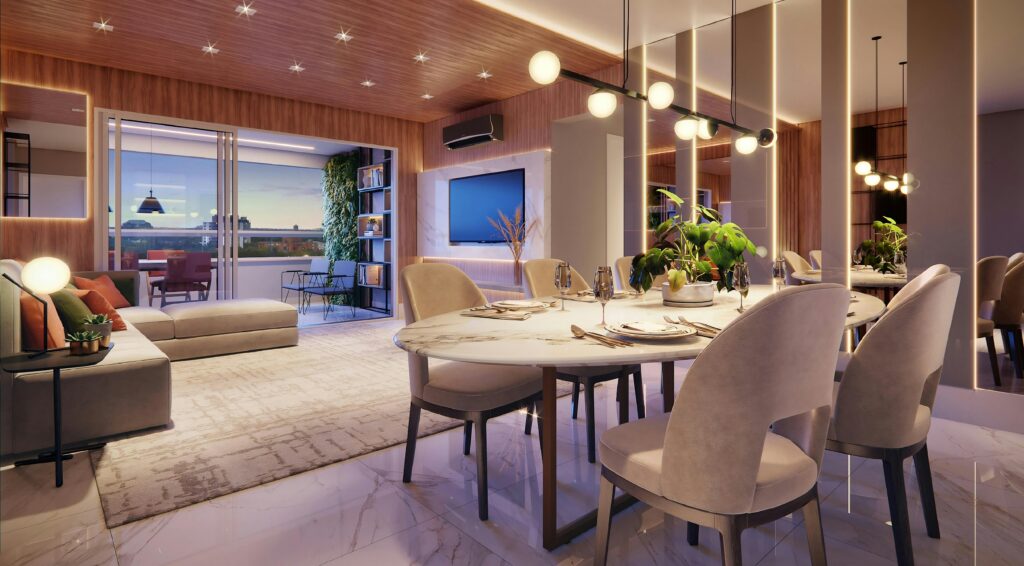
You walk into your living room and feel… nothing.
Or worse. You feel annoyed. Like something’s off but you can’t name it.
It’s not empty. It’s full. Just wrong.
Too many throw pillows that don’t match. A coffee table that’s too low (or too high). A rug that’s too small for the space.
And you paid way too much for it.
I’ve seen this exact scene in over two hundred homes.
Not showrooms. Real homes. With kids, pets, mismatched furniture hand-me-downs, and budgets that don’t stretch.
Most people shop for decor like it’s groceries. Grab what’s on sale, what’s trending, what fits in the cart.
That’s why rooms feel disjointed. Why things break fast. Why you’re tired of redecorating every 18 months.
I don’t follow trends. I fix problems.
This guide cuts through the noise. It names the real non-negotiables. The pieces that hold a room together, work every day, and age well.
No fluff. No filler. Just Home Decoration Ththomedec that earns its place.
Lighting Is Your First Real Design Decision
I don’t care how perfect your sofa is. If the light’s wrong, the room fails.
Lighting isn’t decoration. It’s function. It’s mood.
It’s how you read, cook, or stop tripping over the rug at 2 a.m.
Ambient light sets the base layer. Ceiling fixtures only. Minimum 800 lumens per 100 sq ft.
Color temperature: 2700K (3000K.) Warm. Not yellow. Not cold.
Task lighting goes where you do things. Desk lamps. Under-cabinet strips. 450+ lumens. 3000K. 4000K.
Crisp enough to see, soft enough not to glare.
Accent lighting highlights what matters. Art. Architecture.
That weird sculpture you love. 200 (400) lumens. Same warm range as ambient. never cooler.
Here’s what I see daily: one overhead bulb in the kitchen. Bulbs mismatched across rooms (living room 2700K, bedroom 5000K. Your brain notices).
No dimmers on ambient circuits.
Fix all three in under 30 minutes. Swap bulbs. Add a plug-in task lamp.
Install a $12 dimmer switch.
Always install dimmers on ambient lights. Even if you leave them at full blast for months. The control changes everything.
You want proof? Go into any room lit only by one ceiling fixture. Now imagine adding just one warm task lamp beside the chair.
Feels different already.
That’s why Ththomedec starts here. Not with paint swatches or throw pillows. But with where the light hits the floor.
Home Decoration Ththomedec begins with this. Not later. Not after the furniture arrives.
Texture Isn’t Decor (It’s) Physics
Texture stops rooms from feeling hollow. I mean it. Wool rugs absorb sound.
Thick throws trap heat. A nubby jute rug defines your seating zone without painting lines on the floor.
You need exact numbers. Not “big” or “cozy.” Living room rug? All front legs of sofa and chairs must sit on it.
Minimum size: 8′ x 10′. Dining room? Rug extends 36 inches beyond all sides of the table.
Measure it. Don’t guess.
Sofa pillows? Three. No more.
One 22″ square (linen, for structure). One 14″ x 24″ lumbar (wool, for support). One 18″ accent (velvet, for contrast).
Mix fibers. Not finishes. Linen + wool + velvet works.
Cotton + polyester + acrylic does not.
Here’s the swap that changed everything for me: ditch polyester throws. Same $25 price tag? Grab 100% cotton or brushed acrylic instead.
They drape right. They last five years (not) five months.
I tested this across three apartments. Polyester pills by month two. Cotton holds up.
Brushed acrylic feels like cashmere and survives dog hair and coffee spills.
That’s why texture isn’t optional. It’s how you make space work.
Home Decoration Ththomedec starts here. Not with color, but with what you can feel.
Measure twice. Buy once.
Mirrors Aren’t for Checking Your Hair
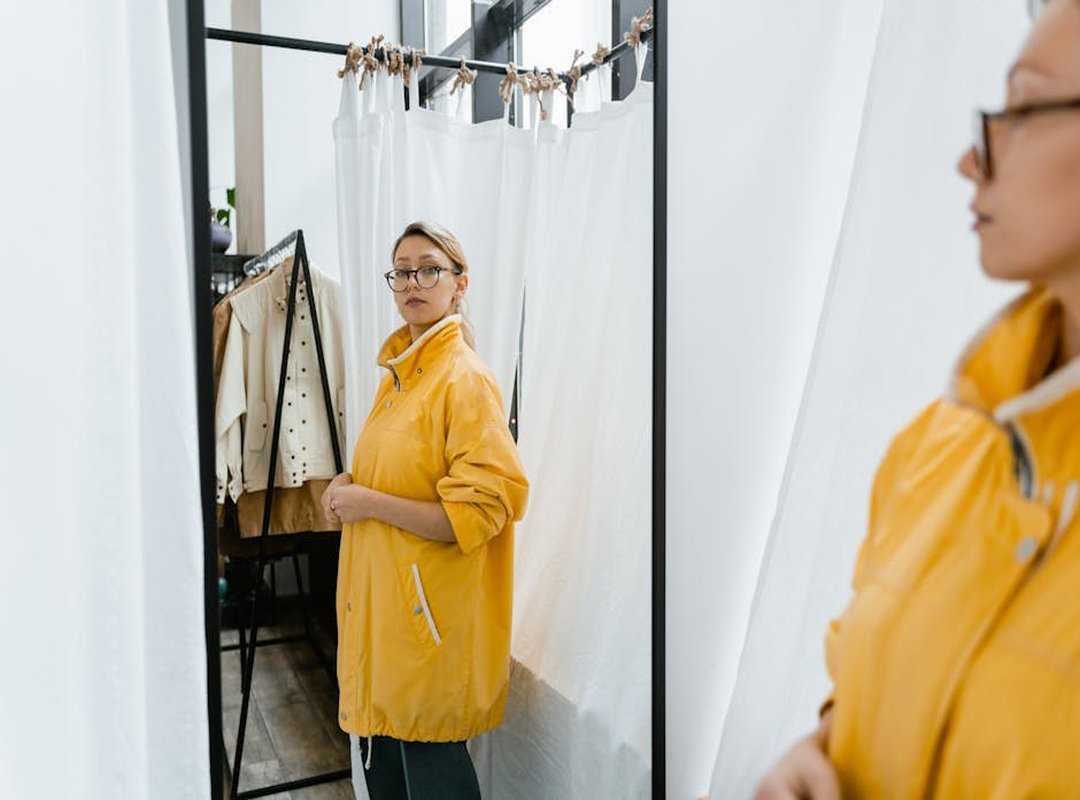
I hung a mirror in my hallway wrong the first time. It made the space feel tighter. Not wider.
Not brighter. Just wrong.
So I moved it. Placed it opposite the only window. Light bounced twice before hitting the back wall.
Suddenly the hallway breathed.
Put mirrors where light hits them. Not where you stand. Hallways?
Opposite doors or windows. Windowless rooms? On the longest wall, angled slightly.
That’s how you fake depth.
Wall art isn’t about filling space. It’s about rhythm.
The rule of three: one big piece (24″ x 36″ minimum), two smaller ones. Hang all centers at 57. 60 inches from the floor. Same frame finish across the room.
No mixing gold and black unless you’re staging a crime scene.
Storage is decor if it doesn’t scream “I’m hiding stuff.”
Closed woven baskets. Floating shelves with gaps between items. Upholstered ottomans with lift-up lids.
Anything open and chaotic breaks the calm.
I removed 30% of the objects on my living room shelf last month. Books, trinkets, that weird ceramic bird. Instant relief.
Cohesion isn’t built by adding. It’s built by subtracting.
That’s why I lean into functional beauty (no) compromises.
If you want real examples of how this works in practice, check out Ththomedec (they) show exactly how mirrors, art, and storage intersect without looking like a catalog.
Home Decoration Ththomedec isn’t theory. It’s what happens when you stop decorating and start editing.
The Finishing Touches: Plants, Scent, and Personal Objects
Plants aren’t decor. They’re air filters. Mood stabilizers.
Quiet companions.
I keep a ZZ plant on my desk. Water it once a month. Forget it for six weeks.
It shrugs and grows.
Snake plant beside the couch? Same deal. Thrives on neglect.
Cleans the air while you scroll.
Pothos in the bathroom? Hangs from a shelf. Loves humidity.
Grows like it’s got something to prove.
Scent is the layer you feel before you see anything. Skip candles. Use a reed diffuser instead.
One in the entryway. Cedar + bergamot. Sharp enough to wake you up, warm enough to settle you in.
Bedroom gets lavender + vetiver. Calm without being sleepy.
Office? Stick with cedar + bergamot. Keeps focus tight.
Personal objects aren’t clutter. They’re anchors.
Five max per room. One framed photo. One travel souvenir.
One handmade ceramic. One meaningful book. One heirloom object.
No more. No less.
Place them where light hits them. Where your eye lands first. Not shoved into corners.
Rotate them seasonally.
Not to “refresh the look.” To remind yourself why each one matters now.
That’s how you avoid visual fatigue. And emotional autopilot.
This isn’t about Home Decoration Ththomedec. It’s about living in your space like it’s yours. Not a showroom.
Pro tip: Swap out one personal object every three months. Watch how fast your mood shifts.
What’s Not Important (And Why Skipping These Saves Time
I stopped buying novelty wall decals two years ago. They peel at the edges by month three. And they scream “I panicked before guests arrived.”
Oversized gallery walls with mismatched frames? I tried that. Took six hours to hang.
Looked like a thrift store threw up on my wall.
Seasonal decor kits? Cute for Instagram. A pain to store.
And gone before the season ends.
Mass-produced canvas prints? Faded in six months. No texture.
No soul. Just filler.
Trend-driven means: replace it within 12 months (or) it only exists because someone posted it on TikTok last Tuesday.
Important means: it stays. It works. It feels right every single day.
Here’s my litmus test: Does this solve a functional need or deepen emotional connection to the space?
If not (it’s) optional. Not important.
I swapped three trendy throw pillows for one well-made velvet pillow. Fade-resistant. Deep color.
Heavy hand-feel.
My couch looked expensive. I stopped second-guessing every time I walked past it.
Decision fatigue dropped. So did my decor budget.
You don’t need more stuff. You need fewer things that actually matter.
For a no-fluff breakdown of what does earn its place, check out the Home Decor Guide.
Decorate Like a Human. Not a Feed
You know that tired feeling.
Walking into your living room and thinking: Why does this still feel off?
It’s not you. It’s the endless scrolling. The impulse buys.
The Pinterest boards full of stuff that looks great in photos (and) wrong in your space.
Home Decoration Ththomedec starts with what your body needs. Light that doesn’t strain your eyes. A rug that grounds your feet.
A chair you can sit in for twenty minutes without shifting.
No more visual chaos. No more shopping just to fill silence.
Pick one section. Lighting, rugs, seating (and) audit your space today.
Ask: Does this serve me (or) just look good online?
Make one intentional change this week.
Just one.
Most people wait for inspiration. You don’t need it. You need clarity.
Your home doesn’t need more stuff (it) needs the right things, placed with care.
 Lead Interior Design Expert
Maud Berthold is Luxe House Maker’s lead interior designer, bringing over a decade of experience in creating luxurious and functional living spaces. Specializing in the art of blending timeless elegance with modern sensibilities, Maud’s designs are known for their sophistication and attention to detail. She works closely with clients to craft interiors that reflect their personal tastes while adhering to the highest standards of luxury. From high-end furniture to custom décor, Maud ensures that each project is an exquisite balance of form and function, making her a key asset to the Luxe House Maker team.
Lead Interior Design Expert
Maud Berthold is Luxe House Maker’s lead interior designer, bringing over a decade of experience in creating luxurious and functional living spaces. Specializing in the art of blending timeless elegance with modern sensibilities, Maud’s designs are known for their sophistication and attention to detail. She works closely with clients to craft interiors that reflect their personal tastes while adhering to the highest standards of luxury. From high-end furniture to custom décor, Maud ensures that each project is an exquisite balance of form and function, making her a key asset to the Luxe House Maker team.