You’re standing in your kitchen right now.
Staring at the wall you want to knock down.
Or the floor you hate. Or the bathroom that’s seen better decades.
And your head is spinning.
I know that feeling. The excitement is real. But so is the dread.
Most people jump in without a plan. Then get buried under permits, contractors who ghost, and budgets that vanish overnight.
That’s not how this goes.
I’ve guided dozens of homeowners through major renovations. Not small touch-ups. Real projects.
Whole-house stuff.
The difference between chaos and calm? A real plan. Not some vague idea.
A step-by-step one.
This isn’t theory. It’s what works when the stakes are high and your home is on the line.
By the end, you’ll know exactly How to Design Home Renovation Homenumental (from) first sketch to final walkthrough.
No fluff. No guesswork.
Just confidence.
Step 1: Your Renovation Starts on Paper. Not at the Demo Site
Before you swing a hammer, you need a spine. Not a wish list. A spine.
I’ve watched too many people rip out cabinets before asking why. Is it for more counter space? To fix that leaky faucet they’ve ignored for three years?
Or just because the neighbor did it?
Answer that first. Write it down. Keep it visible.
If your “why” is “to sell faster,” your choices change. Fast.
Go look. Pinterest is fine (but don’t get lost in the vortex). Flip through actual magazines.
Walk into showrooms. Not to buy, but to touch quartz vs. laminate, feel tile grout, see how lighting hits stainless steel.
That’s where Homenumental helps. It’s not another mood board app. It’s a filter for real decisions.
Now make two columns: Needs and Wants.
Needs vs. Wants isn’t theoretical. It’s your budget’s gatekeeper.
| Need | Want |
|---|---|
| Functional kitchen island with storage | Marble waterfall countertop |
| ADA-compliant shower grab bar | Rainfall showerhead with Bluetooth speaker |
Write yours. Be ruthless. That “wine fridge” better earn its square foot.
Scope creep kills timelines. And budgets. And marriages.
I saw a client add “just one more outlet” mid-demo. Then “a little recessed lighting.” Then “what if we bump the wall out?” That added $27,000 and six weeks.
Define your scope before permits. Sign it. Tape it to the fridge.
How to Design Home Renovation Homenumental starts here. Not with blueprints, but with boundaries.
You’ll thank yourself when the dumpster shows up.
Budgeting Isn’t Scary. It’s Your Anchor
I used to hate budgeting. Thought it meant saying no to everything I wanted.
It doesn’t. A real budget is how you keep control when contractors start quoting numbers that make your throat tighten.
So let’s build one (line) by line. Not vague estimates. Actual categories: Design Fees, Permits, Labor, Materials, Fixtures, Finishes.
Yes, fixtures. That $400 faucet? It lives here.
So does the $12,000 HVAC upgrade you didn’t know you needed.
And then there’s the contingency fund.
This isn’t optional. It’s non-negotiable. Mold behind drywall.
Outdated wiring. A surprise load-bearing wall. These aren’t “what-ifs.” They’re Tuesday.
Set aside 15. 20% of your total project cost. Not 10%. Not “whatever’s left.” Fifteen to twenty percent.
You’ll thank yourself in month three.
Financing? HELOCs give flexible access. But rates jump.
Cash-out refinances lock in a new mortgage rate (good if rates dropped) but reset your timeline. Renovation loans bundle construction and permanent financing (cleaner,) but stricter approval.
Which one’s right? Depends on your debt, credit, and how long you plan to stay.
I go into much more detail on this in Decoration Guide Homenumental.
Pro tip: Get at least three detailed contractor quotes. Not ballpark numbers. Line-item breakdowns.
Compare them side by side. You’ll spot outliers fast (and) learn what “normal” costs look like in your zip code.
This is how you avoid shock. How you stop guessing.
How to Design Home Renovation Homenumental starts here (not) with tile samples or mood boards. It starts with numbers you trust.
Because no vision survives a blown budget.
Step 3: Your Dream Team Isn’t Optional

DIY sounds great until you’re holding a load-bearing wall and wondering if that stud is really load-bearing.
It’s not.
For anything beyond patching drywall or swapping a faucet, you need people who know what they’re doing.
Not just “kind of know.” Not just “saw it on YouTube.”
I’ve watched too many projects stall because someone hired the cheapest GC (then) paid double to fix their mistakes.
Don’t be that person.
Here’s who you actually need:
Architect. For structural changes, additions, or major layout shifts. Interior Designer (for) space planning, finishes, lighting, and flow (not just picking paint).
General Contractor. The one who coordinates everyone, manages timelines, and handles permits.
Skip any of these, and you’ll either overpay later or get stuck with a half-finished mess.
When interviewing a General Contractor, ask three things:
Are you licensed and insured? Can I see examples of similar projects? Can I speak to your last three clients?
If they hesitate on any of those (walk) away.
Get a contract. Not a handshake. Not an email.
A real contract. It must spell out payment schedules, scope of work, timeline, and how change orders get approved. No exceptions.
The Decoration Guide Homenumental covers how to align your team’s work with your aesthetic goals. But only if they’re all on the same page from day one.
Trust your gut.
If a contractor talks over you, avoids questions, or makes you feel rushed. They’ll do the same during demolition.
Good communication beats low price every time.
Always.
How to Design Home Renovation Homenumental starts here (not) with mood boards, but with who shows up on site.
Step 4: Renovation Reality Check
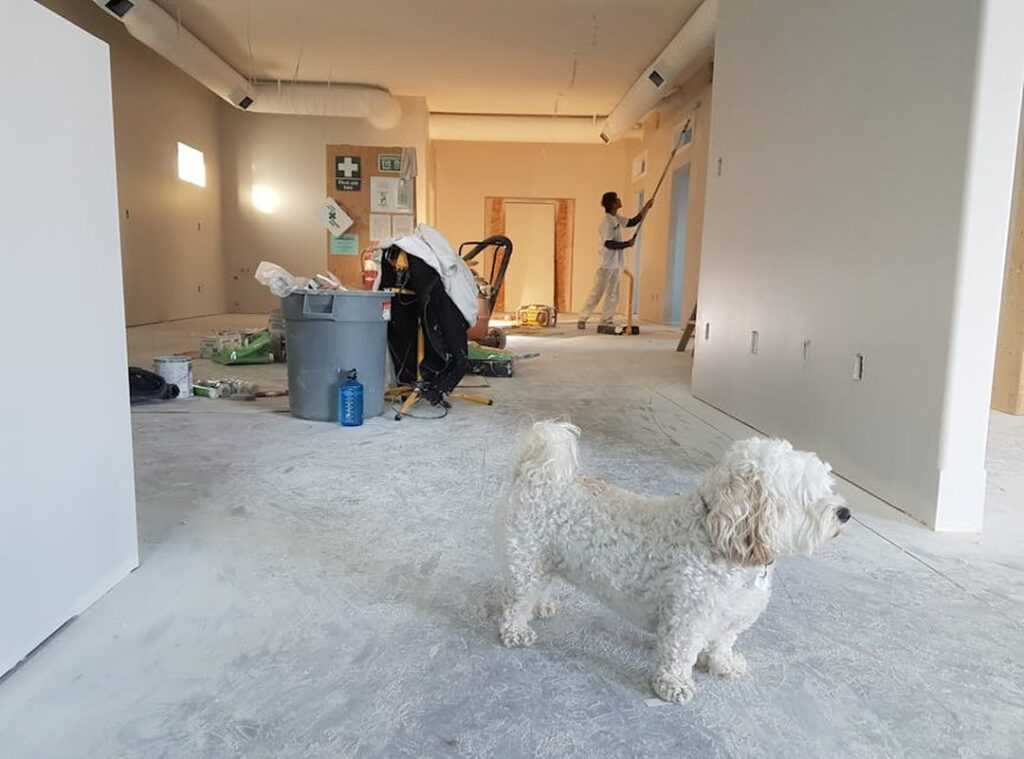
It will be dusty. It will be loud. You will question your life choices.
I lived through a full gut renovation. My dog barked at the framing crew for six weeks straight. (He still flinches at power drills.)
Here’s what actually happens, in order:
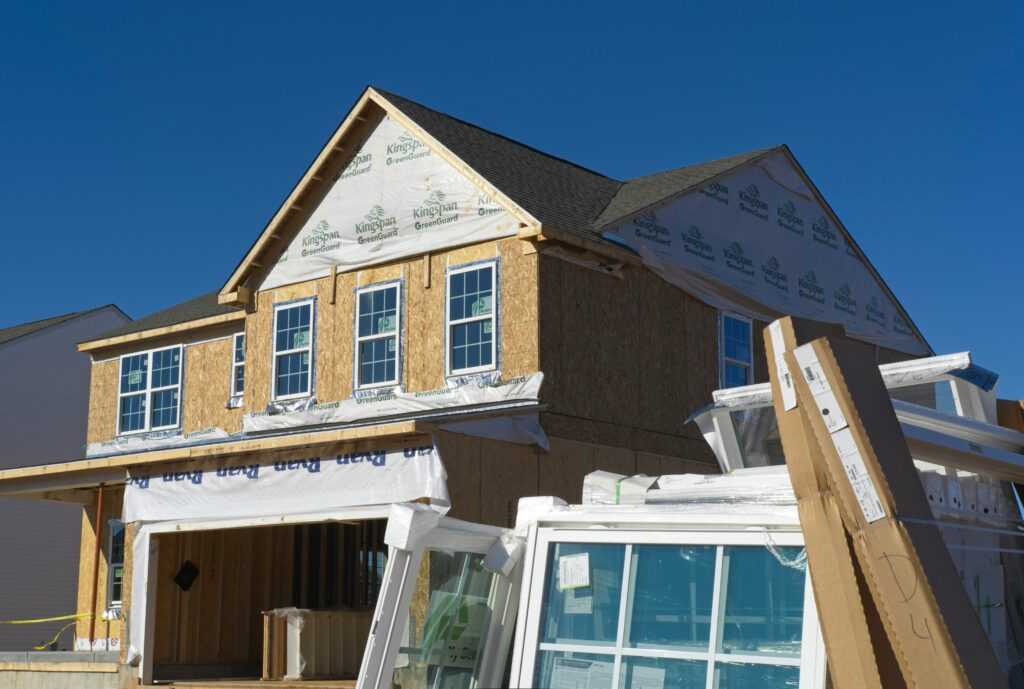
Demolition. Everything you love gets torn out. Framing (walls) go up, structure settles.
Mechanicals. Plumbing, electrical, HVAC get buried in the walls. Insulation and drywall (the) house starts looking like a house again.
Finishes (flooring,) paint, fixtures. The part you Instagram.
Set up a temporary living zone. I used my basement for coffee, snacks, and sanity. A hot plate and mini-fridge saved me.
Meet with your contractor weekly. Not email. Not text.
Face-to-face. Ask “What’s blocking progress?” (not) “How’s it going?”
Cover non-renovated rooms. Plastic sheeting. Floor runners.
Tape it down tight. Dust gets everywhere. Everywhere.
A change order is a written adjustment to the original scope or price. Say yes only after you see it in writing. No verbal approvals.
Ever.
If you’re just starting out, read the How to start home renovations homenumental guide first. Seriously. Do it before you pick tile.
You’ve Got Your Renovation Blueprint
I remember that sinking feeling. Standing in your kitchen, staring at the wall you want to knock down, wondering where to even start.
That fear of the unknown? It’s gone now. You have a real plan.
Not vague hopes. A working blueprint.
How to Design Home Renovation Homenumental isn’t magic. It’s structure. It’s knowing what you’ll pay, who you’ll trust, and what you absolutely need versus what you just like.
Most renovations fail because people skip the list. They jump straight to tile samples.
Don’t do that.
Sit down for 30 minutes. Right now. Write your *Needs vs.
Wants* list.
That’s step one. And it’s the only thing standing between you and a renovation that actually works.
 Lead Interior Design Expert
Maud Berthold is Luxe House Maker’s lead interior designer, bringing over a decade of experience in creating luxurious and functional living spaces. Specializing in the art of blending timeless elegance with modern sensibilities, Maud’s designs are known for their sophistication and attention to detail. She works closely with clients to craft interiors that reflect their personal tastes while adhering to the highest standards of luxury. From high-end furniture to custom décor, Maud ensures that each project is an exquisite balance of form and function, making her a key asset to the Luxe House Maker team.
Lead Interior Design Expert
Maud Berthold is Luxe House Maker’s lead interior designer, bringing over a decade of experience in creating luxurious and functional living spaces. Specializing in the art of blending timeless elegance with modern sensibilities, Maud’s designs are known for their sophistication and attention to detail. She works closely with clients to craft interiors that reflect their personal tastes while adhering to the highest standards of luxury. From high-end furniture to custom décor, Maud ensures that each project is an exquisite balance of form and function, making her a key asset to the Luxe House Maker team.