You stand there. Staring at your balcony. Or that patch of dirt behind the house.
And you feel stupid.
Like everyone else already knows what to do (and) you’re the only one who doesn’t even know where to start.
Most garden guides assume you own a wheelbarrow. Or know what “hardiness zone” means. Or have space for a compost pile.
They don’t.
I’ve built gardens in 40-square-foot balconies. In clay-heavy suburban yards. On rocky hillside plots with zero topsoil.
No theory. Just dirt under my nails and mistakes I won’t let you repeat.
This isn’t about perfection. It’s not about fancy tools or rare seeds.
It’s about what actually works. Right now. With what you’ve got.
No climate assumptions. No square-footage requirements. No prior knowledge needed.
Just real steps. For real spaces.
I cut out everything that doesn’t get plants in the ground and keep them alive.
You want essentials. Not extras. Not dreams.
Not “someday” plans.
That’s why this is Garden Guide Homenumental.
The 7 Non-Negotiable Tools Every Home Gardener Needs (and Why
I’ve killed more seedlings than I care to admit. Mostly because I used the wrong tools.
Homenumental is where I keep my real-world garden notes (not) theory, just what works.
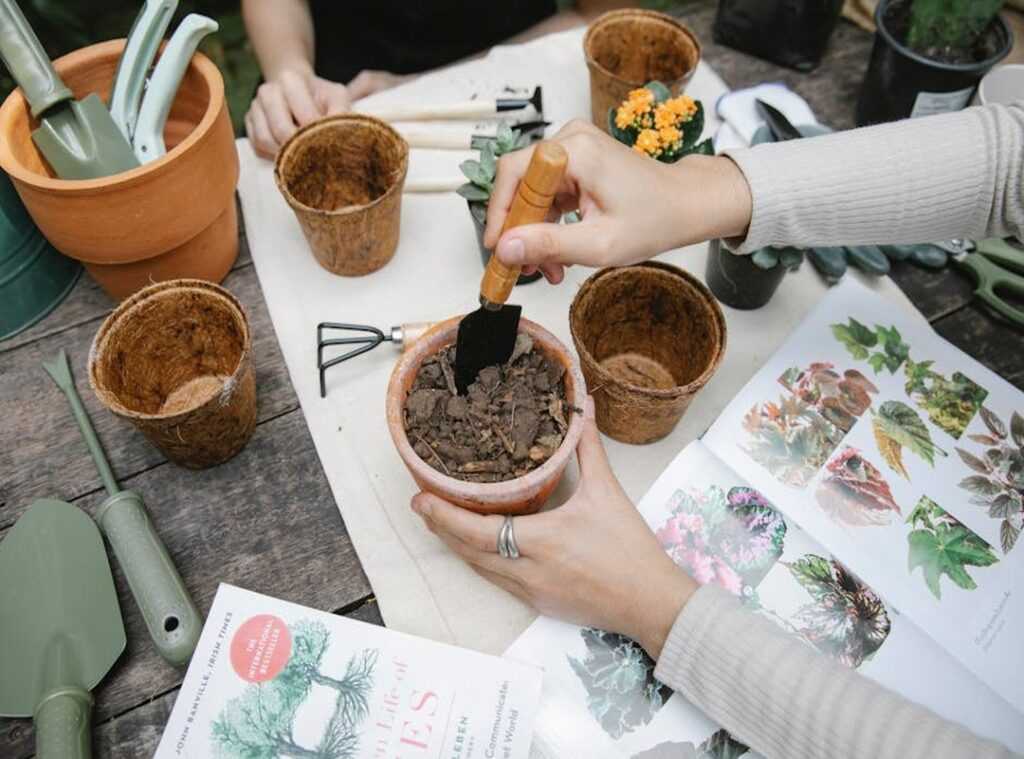
Trowel: Must have a stainless steel blade and a D-grip handle. If it bends when you dig into clay soil, toss it. No exceptions.
Pruners: Bypass-style only. Anvil pruners crush stems. Period.
I’ve seen basil turn brown overnight from crushed xylem.
Gloves: Go for goatskin or reinforced synthetic with rubber-dipped palms. Thin cotton? That’s just finger decoration.
Watering can with rose attachment: This is #4. And yes, it’s non-negotiable. A fine rose breaks water into droplets smaller than 0.5mm.
Big drops slam into soil, compact it, and drown seeds before they crack open. Try it. Watch radish sprouts vanish in heavy rain versus gentle rose watering.
Hand fork: Tines must be heat-treated steel. Flimsy ones bend on first use in loam.
Kneeling pad: 1-inch thick closed-cell foam. Carpet scraps sink. Your knees won’t forgive you.
Soil thermometer: Digital, probe-style, reads from 20°F to 120°F. Not the plastic dial kind that lies.
Quick tip: If it doesn’t feel balanced in your hand after 60 seconds, put it back.
Look for galvanized steel or food-grade HDPE. Not cheap plastic that cracks in UV.
Skip any one of these and you’re gardening uphill. Every. Single.
Time.
Soil, Seeds, and Starters: What to Buy First (and What to Skip)
I tested every soil blend for two growing seasons. Native soil is fine (if) you know what’s in it. Don’t guess.
Dig down six inches. If it’s clay that cracks like sidewalk concrete, or sand that drains before you finish watering, skip the fancy bags for now.
Minimum amendment blend: compost + coarse sand + coconut coir. That’s it. No perlite.
No “premium” mixes with mystery ingredients.
Lettuce ‘Black Seeded Simpson’ (germinates) in 4 days, full sun to part shade, 6 inches apart. Radish ‘Cherry Belle’. 3 days, full sun, 2 inches. Bush beans ‘Provider’ (5–7) days, full sun, 4 inches.
Also: calendula and nasturtium. They grow if you sneeze near the dirt.
Skip pre-packaged “growing pods.” They dry out in 18 hours. Roots hit the bottom and stall. Humidity control?
None. Root depth? Two inches.
That’s not a plant. It’s a hostage.
pH test hack: scoop soil into two bowls. Add vinegar to one. Fizz = alkaline.
Add baking soda to the other. Fizz = acidic. No fizz either way?
Neutral. Done in 90 seconds.
Seed starting indoors? Optional. Lettuce, radishes, and beans do better when direct-sown.
You save time, money, and the heartbreak of leggy seedlings.
The Garden Guide Homenumental skips the fluff and tells you what actually works in real dirt. Not brochures.
Don’t buy a heat mat. Don’t buy a grow light tower. Don’t buy “starter kits.”
Buy seeds. Buy compost. Buy a trowel.
Watering Wisdom: When to Drown It (and When Not To)
I stick my finger in the soil up to the second knuckle. Not the first. Not the tip.
Second knuckle. That’s where roots drink.
If it feels dry at that depth? Water now. If it’s cool and damp?
Wait two days. Skip the drama. Skip the guesswork.
Water in the morning. Always. Because evaporation is lower.
And because wet leaves overnight invite fungus like a bad Tinder date.
For pots, I use the slow soak method. One steady stream for 15 seconds per 6-inch pot. Let it drain fully.
No rushing.
In-ground beds get pulse irrigation. Three short bursts spaced 20 minutes apart. Lets water sink instead of run off.
Leaf curl? Water immediately (but) check drainage first. Soil cracking in hexagons?
That’s deep drought. Flood it slow. Yellowing edges?
You’re overwatering. Stop. Right now.
Self-watering pots? Skip them. Beginners drown roots before they learn what “moist” even feels like.
You build intuition by feeling the soil (not) by trusting a reservoir.
That’s why I always go back to the Garden Homenumental guide when I’m doubting myself.
It’s the only Garden Guide Homenumental I keep bookmarked.
Root rot starts quiet. It ends with a shovel and regret.
Pest & Problem Prevention That Actually Works (No Sprays
I don’t spray. Not because I’m purist. I just hate watching things die slowly when simpler fixes exist.
The 3-Layer Shield is what keeps my garden alive before pests even get comfortable.
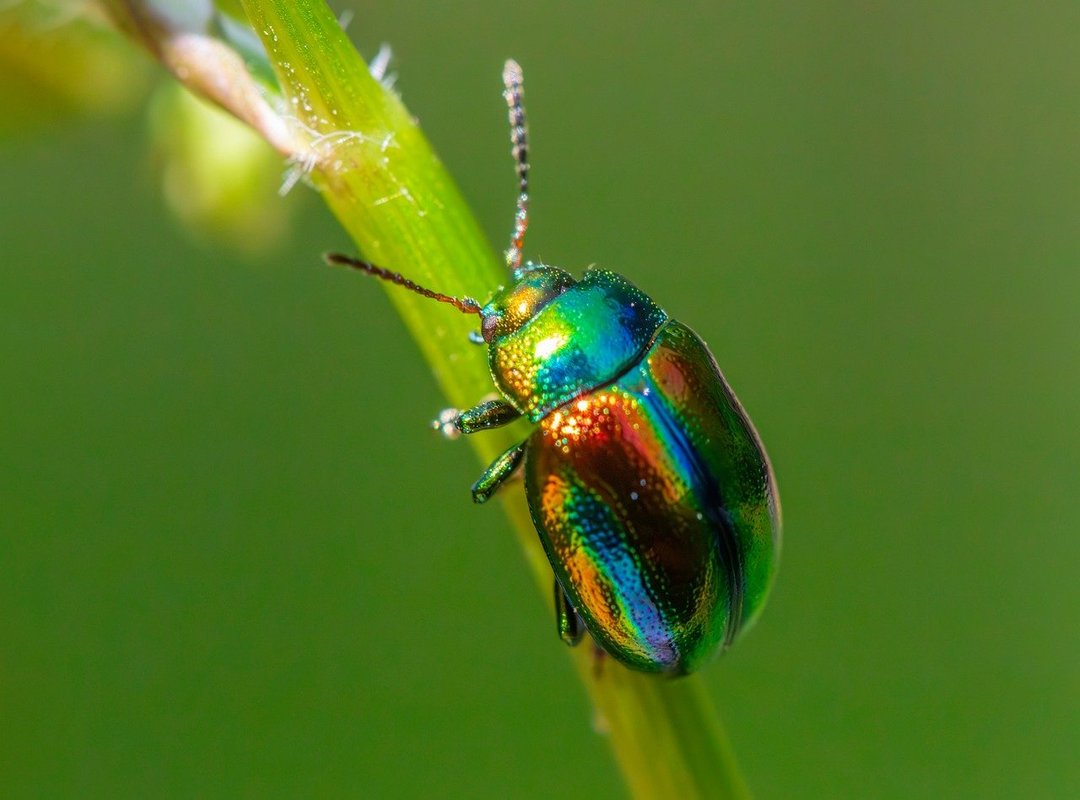
First: floating row cover. It’s cheap, it’s physical, and it stops flea beetles cold. (Yes, even in 90°F heat.
If you vent it.)
Second: basil beside tomatoes. Marigolds near beans. Not magic (just) scent confusion and root-zone competition.
Third: soil health. If your dirt smells like forest floor and holds moisture without clumping, damping-off fungus won’t take hold. I test this by squeezing a handful.
If it crumbles? Time to add compost. Not fungicide.
Aphids show up Week 1. Blast them with sharp spray. Not mist.
Slugs? Copper tape on raised beds. Flea beetles?
Row cover before seedlings emerge.
Neem oil? Overused. And misapplied.
Dilute 1 tsp per quart (and) only at dawn. Always patch-test first. One leaf.
Wait 48 hours.
Store-bought transplants? Quarantine one plant for 5 days. Check roots for slime.
Flip leaves. Look for eggs.
Before you water: scan undersides of oldest leaves, stem base, soil surface.
That’s the Garden Guide Homenumental in action. No hype, no sprays, just observation and timing.
Your First 30-Day Garden Tracker: No Apps, Just Dirt and Data
I started my first garden with an app. Deleted it by Day 9.
You don’t need notifications. You need soil moisture, new growth location, pest sightings (yes. Sketch or tape in a photo), weather impact (wind/rain/sun), and one raw observation: what surprised me today?
That’s it. Five things. Log them daily or weekly.
Your call.
Month 1 isn’t about yield. It’s about showing up. Consistency builds confidence.
Confidence lets you spot patterns before the plant screams.
I use a $2 notebook. Green tab for growth. Red for issues.
Blue for weather. No batteries. No updates.
Just me, the page, and what actually happened.
Day 7: Which plant got the most consistent care? How did it respond?
Day 14: Where did pests show up first. And what was happening nearby?
Day 30: What changed in my behavior. Not the plants. Over these weeks?
This tracker replaces apps. No login. No distractions.
Just clarity and ownership.
If you want deeper guidance on reading those early signals. Like why a wilt at noon isn’t always about water. Check out the Garden Advice Homenumental.
Start Digging Tomorrow
I’ve seen what happens when beginners stare at a blank patch of dirt.
Too many tools. Too many seeds. Too much advice.
You freeze.
Garden Guide Homenumental cuts that noise. It tells you what actually works. Not what looks pretty in a catalog.
Your only job right now? Grab one trowel. Pick one radish seed.
That’s it.
No planning marathon. No gear haul. Just those two things, ready by sunrise tomorrow.
Radishes grow fast. They prove something real can happen. Fast.
And once you’ve dug that first hole? Everything else follows. Naturally.
You don’t need permission. You don’t need perfect conditions.
You need to move.
So do it tonight.
Pick one tool. Pick one seed.
Gardens aren’t built in seasons. They’re built in moments, one intentional action at a time.
 Lead Interior Design Expert
Maud Berthold is Luxe House Maker’s lead interior designer, bringing over a decade of experience in creating luxurious and functional living spaces. Specializing in the art of blending timeless elegance with modern sensibilities, Maud’s designs are known for their sophistication and attention to detail. She works closely with clients to craft interiors that reflect their personal tastes while adhering to the highest standards of luxury. From high-end furniture to custom décor, Maud ensures that each project is an exquisite balance of form and function, making her a key asset to the Luxe House Maker team.
Lead Interior Design Expert
Maud Berthold is Luxe House Maker’s lead interior designer, bringing over a decade of experience in creating luxurious and functional living spaces. Specializing in the art of blending timeless elegance with modern sensibilities, Maud’s designs are known for their sophistication and attention to detail. She works closely with clients to craft interiors that reflect their personal tastes while adhering to the highest standards of luxury. From high-end furniture to custom décor, Maud ensures that each project is an exquisite balance of form and function, making her a key asset to the Luxe House Maker team.