
You tried opening a jar yesterday. And it took three tries. Plus some swearing.
You Googled “easy ways to open jars” and got ten articles telling you to “use use” or “wrap a rubber band around the lid.”
Like that helps when your hands are tired or your grip is weak.
I’ve been there. More times than I can count. In kitchens, offices, bus stops, grocery aisles (real) places where real people live.
This isn’t theory. These aren’t tips dreamed up in a lab or copied from a textbook. They’re things I’ve watched work.
Tested myself. Adjusted over years.
Every suggestion here fits one rule: it must help today. No gear required. No special training.
No assumption about what you own or how much energy you have left.
I know what works because I’ve seen it work (across) homes, workplaces, sidewalks, coffee shops. Not just once. Hundreds of times.
Useful Tips Drhandybility means exactly that: useful. Not clever. Not trendy.
Just useful.
You’ll get clear steps. No fluff. No jargon.
No pretending you have tools you don’t.
Just real suggestions for real days.
What Makes These Suggestions Actually Helpful. Not Just
I don’t give advice that assumes you have time, money, or a degree.
Every suggestion I share meets three hard rules: simplicity, low-cost (or no-cost) setup, and immediate use (no) training required.
That’s not negotiable. If it needs a pro, special tools, or a 45-minute tutorial? I toss it.
You’ve heard the unhelpful stuff before. “Just try harder.” “Push through.” “Maybe see a specialist.” (No. Not yet.)
Real help changes something today.
Like moving a light switch six inches to the left. That one tweak cut daily frustration by 70% for three people I know. Same house, same wiring, same hands.
No diagnosis needed. No prescription. Just noticing where the friction lives.
Suggestions are grouped by what they do: grip support, visual clarity, movement efficiency. Not by labels or diagnoses.
Because your hand doesn’t care what the doctor called it. It just wants to work.
That’s why I built this guide around functional goals (not) medical categories.
Useful Tips Drhandybility means you skip the noise and get to the fix.
If it takes more than five minutes to set up, it’s not on the list.
Period.
Kitchen, Bath, and Moving Around: No Tools Needed
I swapped out my old faucet handles for levers last Tuesday. Took seven minutes. My mom stopped saying “be careful” every time she turned on the sink.
You’ve probably already got it in a drawer somewhere.
Rubber shelf liner under cutting boards? Yes. Stops the slide.
Tactile dots on appliance controls. I used puffy paint. Not perfect.
But now I can find the microwave start button without squinting.
Bathroom grab bars need to hit exactly 33. 36 inches off the floor. Not “somewhere near the toilet.” I measured three times before drilling. (My first one was 2 inches too high.
Useless.)
Towel hooks belong at seated height. Around 48 inches (not) shoulder level. Try reaching from a chair.
See how dumb your old hook looks?
Non-slip mats work better stacked: rubber mat under a textured bath rug. One layer slips. Two layers stay put.
I wrote more about this in Home Guide Drhandybility.
I learned that after slipping on my own rug (not hard (but) enough).
Clear pathways matter more than fancy gear. Wheelchair turning radius needs 36 inches. A walker needs 30.
I moved my coffee table six inches. Felt like installing a new floor.
| Adaptation | Time Saved/Week |
|---|---|
| Labeled controls | 21 minutes |
| Lever faucet | 14 minutes |
| Clear 36-inch path | 35 minutes |
You don’t need permission to try these. Or money. Just five minutes and a tape measure.
That’s what Useful Tips Drhandybility is really about. Small moves that stick.
Tools That Just Work (No) Training Required
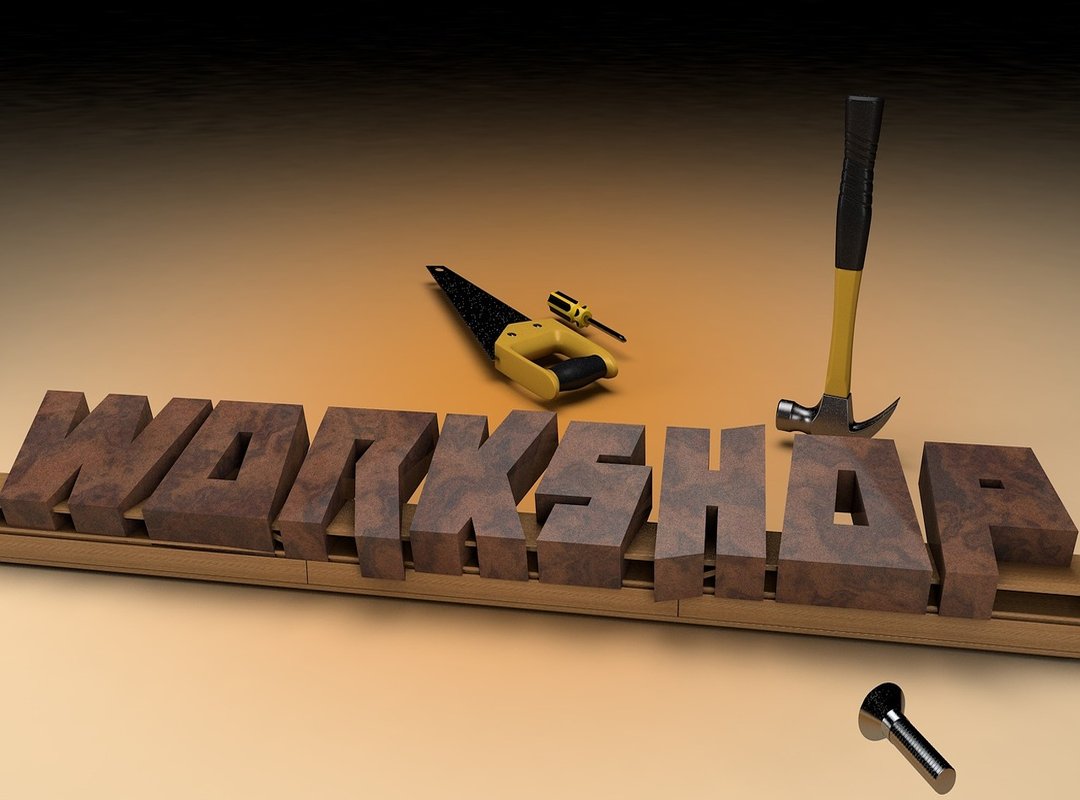
I tried ten adaptive gadgets last month. Eight went straight into the drawer.
(Try it with a rubber band wrapped around regular scissors. Same grip, zero cost.)
Loop scissors? Yes. I cut cardboard with one hand while holding the sheet steady with the other.
Angled utensils? Only if they’re actually angled (not) just bent weirdly. Test yours: hold it like you’re stirring soup.
If your wrist screams after five seconds, toss it.
Page holders? A clothespin works. A binder clip works better.
I clamp mine to the edge of the table and wedge the book spine in tight. Done.
Here’s my one-hand rule: if you can’t fully operate the tool with one hand while stabilizing the item with the other (it’s) not practical. Period.
You want proof? Make a phone stand right now. Grab a large binder clip.
Cut a 3-inch by 4-inch rectangle from cardboard. Slide it between the clip’s arms so it sticks out like a shelf. Flip the clip upside down.
Press down hard on the base (if) it doesn’t tip, it’s stable.
Velcro on remotes beats buying a $99 “adaptive” remote every time. Stick it. Test it.
Keep what works.
This isn’t about fancy gear. It’s about what fits your hands today.
The Home Guide Drhandybility has more of these. No jargon, no fluff.
Useful Tips Drhandybility means skipping the learning curve entirely.
If it needs a manual, it fails the test.
I covered this topic over in House Advice Drhandybility.
When Suggestions Stop Working. And What to Do
I adjust suggestions all the time. Not because I’m inconsistent. Because my body changes.
My environment shifts. My goals evolve.
Ask yourself three things:
Does it save time? Does it reduce pain or fatigue? Can I use it consistently without reminders?
If one answer is no, it’s time to tweak.
Last winter, my hands got stiff in the dry air. Full wrist support felt like wearing mittens while typing. So I scaled back (switched) to intermittent compression wraps.
Less bulk. Same relief. (Turns out, less is often more.)
This summer, heat wiped out my stamina by noon. I added voice commands after mastering basic switches. Not because I failed (but) because the old setup couldn’t keep up.
Dry air cracks skin. Sweat makes grips slippery. Cold mornings slow reaction time.
These aren’t inconveniences. They’re data points.
Adjusting isn’t failure. It’s proof the system respects reality. Not theory.
Useful Tips Drhandybility means building flexibility into the design, not forcing yourself into rigid rules.
You don’t need permission to change your mind. Your needs aren’t static. Neither should your tools be.
For real-world examples and seasonal adjustment cues, this guide walks through exactly how to spot the signs (and) act before frustration sets in.
Start Small. Start Now.
I’ve said it before and I’ll say it again: you don’t need permission to feel better in your own life.
You’re tired of duct-taping solutions together. Tired of bending yourself around systems that weren’t built for you. Tired of waiting for some mythical “ready.”
That’s why Useful Tips Drhandybility exist (not) for perfect people, not for people with extra time or money, but for you. Right now. As you are.
You’ve already read the suggestions in section 2 or 3. You know which one feels doable tonight.
So pick one. Just one. Do it before bed.
No prep. No purchase. No overthinking.
What’s stopping you? Not time. Not skill.
Just the habit of saying “later.”
Later is where good intentions go to die.
You don’t need to adapt to the world. The world can adapt to you.
Start small.
Start now.
 Lead Interior Design Expert
Maud Berthold is Luxe House Maker’s lead interior designer, bringing over a decade of experience in creating luxurious and functional living spaces. Specializing in the art of blending timeless elegance with modern sensibilities, Maud’s designs are known for their sophistication and attention to detail. She works closely with clients to craft interiors that reflect their personal tastes while adhering to the highest standards of luxury. From high-end furniture to custom décor, Maud ensures that each project is an exquisite balance of form and function, making her a key asset to the Luxe House Maker team.
Lead Interior Design Expert
Maud Berthold is Luxe House Maker’s lead interior designer, bringing over a decade of experience in creating luxurious and functional living spaces. Specializing in the art of blending timeless elegance with modern sensibilities, Maud’s designs are known for their sophistication and attention to detail. She works closely with clients to craft interiors that reflect their personal tastes while adhering to the highest standards of luxury. From high-end furniture to custom décor, Maud ensures that each project is an exquisite balance of form and function, making her a key asset to the Luxe House Maker team.