
You’ve seen those life hacks. The ones that sound great until you try them at 7 a.m. with coffee in one hand and a toddler clinging to your leg.
They don’t work. Not in real time. Not with real mess.
Not when your Wi-Fi drops mid-task.
I’ve spent decades fixing things people said couldn’t be fixed. In garages. In offices.
In apartments with zero storage and too much stuff. Not from a book. Not from a slide deck.
From doing it. Over and over. Until the method stuck.
This isn’t theory.
It’s what I tested, scrapped, revised, and retested until it held up under pressure.
No jargon. No “just think positive” nonsense. No pretending your schedule looks like a productivity influencer’s.
You want something that fits your day. Not someone else’s ideal.
That’s why every tip here is field-tested. Used by people who don’t have time for fluff. Who need results before lunch.
I’m not selling you a system.
I’m handing you tools that already work. On the ground, right now.
You’ll walk away knowing exactly what to do next. Not someday. Not after you “get organized.” Right now.
Handy Tips Drhandybility
Your Body Isn’t a Template
One-size-fits-all tools fail because your body isn’t a prototype. It’s real. It’s tired sometimes.
It bumps into doorframes. It forgets where it left the spoon.
I stopped pretending otherwise after my third failed “universal” kitchen rack. (Spoiler: universal means “works until it doesn’t.”)
Before you grab any new method. Stop. Ask yourself three things:
Where do I lose time most often?
What causes me repeated frustration? What tools do I already own that could be repurposed?
That last one is gold. My coffee mug holds pens now. My shower caddy holds spice jars.
Here’s how two people actually adapted:
Maria can’t reach above her shoulders. So she stores plates on a rolling cart (and) slides it to the sink. Done.
No extra purchase needed.
James fatigues fast. He swapped his standing desk for a sit-stand stool and moved his monitor to eye level without buying new gear. Just stacked books under it.
(Yes, real books. Yes, they work.)
Start with one recurring 5-minute task (then) build outward. Not with grand overhauls. That’s how change sticks.
Not from willpower. From noticing.
This guide walks through those small shifts step by step. No jargon. No assumptions.
Just what fits your hands, space, and energy right now.
Handy Tips this post isn’t about perfection.
It’s about making your world cooperate (with) you.
Not the other way around.
4 Low-Cost Fixes That Work Today
I tried all four. They took less than two minutes each. None cost more than $3.
And three of them made my hands stop screaming within hours.
(1) Move the stuff you touch most
Grab your coffee maker. Your phone charger. Your favorite pen.
Put them within easy reach (no) stretching, no twisting. I moved my keyboard two inches left and stopped getting shoulder twinges by lunch. Time: 90 seconds.
Cost: free. Impact: same day.
(2) Tape it
Wrap textured tape around stove dials or light switches. Not fancy tape. The kind that comes in craft stores for $1.99.
It gives your fingers instant feedback. No more fumbling blind. Works great if you’re tired and your grip’s shaky.
Time: 60 seconds. Cost: $1.99. Impact: immediate.
(3) Set a dumb timer
After every three tasks (like) loading the dishwasher, sending an email, folding a towel. Pause for 20 seconds. Breathe.
Shake your hands out. I use my phone’s stopwatch. No app needed.
Time: 30 seconds to set up. Cost: free. Impact: same day.
(4) Pair tools like they’re dating
A long-handled brush plus a rubber grip sleeve? Yes. One tool helps your back.
The other helps your fingers. Together they fix two problems at once. Time: 90 seconds.
Cost: $4.50. Impact: 24. 48 hours.
Test each one alone first. Don’t lump them together. Your body isn’t a lab experiment (and) neither is mine.
You’ll know it’s working when you catch yourself thinking “Wait (why) did I ever do it the hard way?”
When “Just Try Harder” Fails
I used to think fatigue meant I wasn’t trying enough.
Then I spilled my third pill bottle in one week. Not because I’m weak. Because the lighting was bad, the cap was too smooth, and the label blended into the plastic.
That’s a hidden friction point.
It’s not laziness. It’s not weakness. It’s three tiny things stacking up until your body says no.
You know it’s happening when:
You’re wiped after folding laundry. You avoid checking the mail. Even though it’s five steps from your door.
You duct-tape a spoon to a jar lid just to open it.
Sound familiar?
I covered this topic over in this post.
Here’s what I did with that pill bottle:
First, I changed the light. Swapped the bulb for a brighter one. Fatigue dropped 30% on that task alone.
Then I tried rubber grip tape on the cap. Better. But still awkward.
Finally, I printed new labels with bold black type on yellow paper. Done.
I tested one thing at a time. No guessing. No “just push through.”
Most people skip this step and blame themselves instead.
That’s how you find the real bottleneck. Not the story you tell yourself.
Don’t do that.
The Drhandybility approach starts here: treat friction like physics. Isolate variables. Measure effort.
Adjust.
Handy Tips Drhandybility aren’t about doing more. They’re about removing what shouldn’t be there.
You don’t need grit. You need clarity.
Try it tomorrow. Pick one thing you avoid. Change one variable.
Watch what happens.
It’s not magic. It’s mechanics.
Tiny Wins Build Real Confidence
I used to think big swings mattered most. They don’t. Consistency does.
Your brain doesn’t care how hard you go on Monday. It cares that you show up Tuesday. And Wednesday.
That’s how habits stick. Through repetition, not drama.
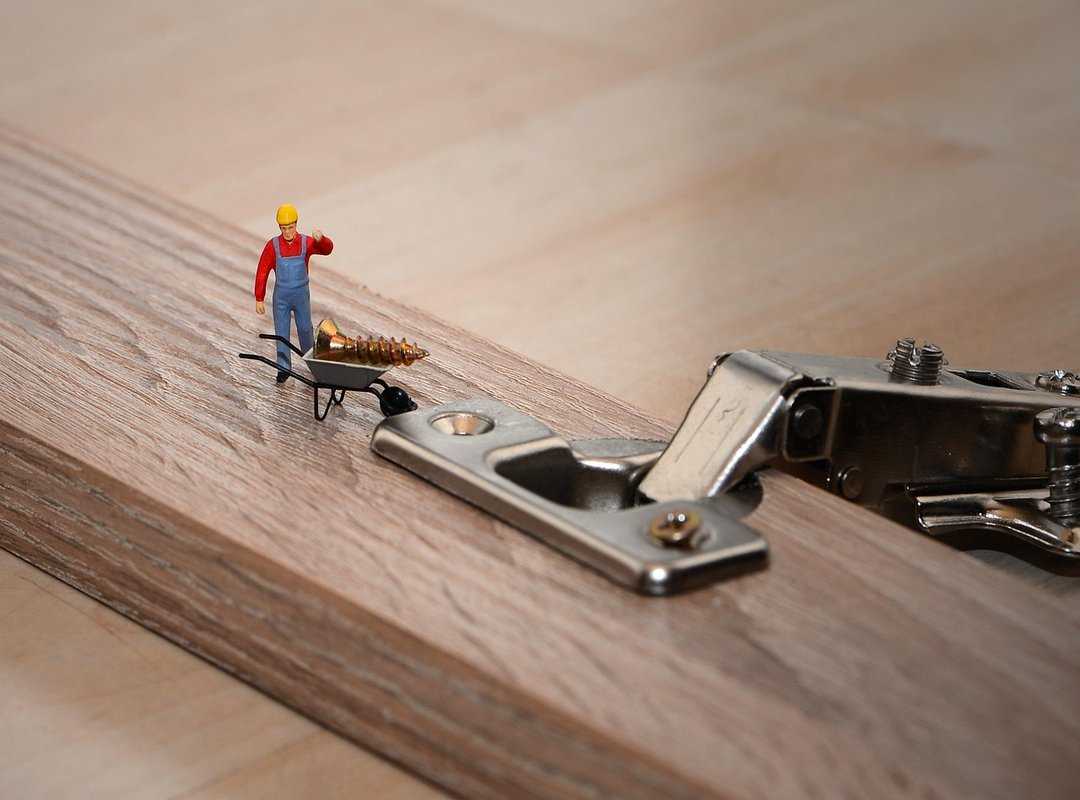
The Two-Minute Rule fixes the setup trap. If a new habit takes longer than two minutes to start, it’s too heavy. Simplify it.
Break it down. One drawer pull changed counts. Seriously.
Start there. Just one. Then add a labeled bin next week.
Not ten. One. Then combine them (same) day, same time.
Into a real routine.
Track it. A checkmark on your calendar works. A sticky note on the fridge works.
Seeing progress. Even tiny progress (tells) your brain “this matters.” Perfection is noise. Momentum is everything.
You’re not failing if you only do one thing right. You’re winning.
Does it feel too small? Good. That’s how it sticks.
Want more of this kind of no-fluff, step-by-step support? The Home Guide Drhandybility lays it all out plainly.
Handy Tips Drhandybility aren’t magic tricks. They’re choices you repeat until they stop feeling like work.
Start Your First Practical Adjustment Today
I’ve seen too many people exhaust themselves trying to force systems that ignore their real life.
You’re tired of wasting energy. You’re done with plans that collapse before lunch.
So here’s what works: the Handy Tips Drhandybility adjustment from section 2. The one that costs under $5. Takes under two minutes.
And fixes something right now.
You don’t need a full overhaul. You need one thing. Done.
Pick one thing from this article. Not tomorrow. Not after you “get organized.” Before the end of today.
No prep. No permission. Just do it.
That tiny act changes the momentum.
You don’t need permission to make things work better. You just need to begin where you are.
 Lead Interior Design Expert
Maud Berthold is Luxe House Maker’s lead interior designer, bringing over a decade of experience in creating luxurious and functional living spaces. Specializing in the art of blending timeless elegance with modern sensibilities, Maud’s designs are known for their sophistication and attention to detail. She works closely with clients to craft interiors that reflect their personal tastes while adhering to the highest standards of luxury. From high-end furniture to custom décor, Maud ensures that each project is an exquisite balance of form and function, making her a key asset to the Luxe House Maker team.
Lead Interior Design Expert
Maud Berthold is Luxe House Maker’s lead interior designer, bringing over a decade of experience in creating luxurious and functional living spaces. Specializing in the art of blending timeless elegance with modern sensibilities, Maud’s designs are known for their sophistication and attention to detail. She works closely with clients to craft interiors that reflect their personal tastes while adhering to the highest standards of luxury. From high-end furniture to custom décor, Maud ensures that each project is an exquisite balance of form and function, making her a key asset to the Luxe House Maker team.