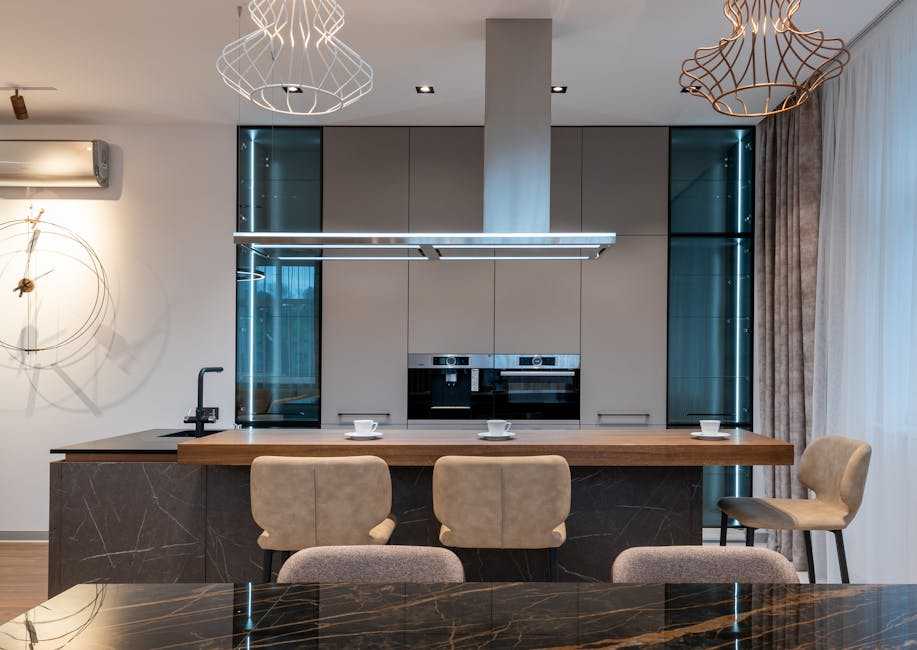

You’re standing in your kitchen right now. Staring at that yellowed grout. Wondering if you should rip it all out (or) just live with it.
I’ve been there. More times than I care to admit.
You scroll online and get hit with glossy before-and-afters, contractor quotes that make your stomach drop, and advice that assumes you own a nail gun and a degree in structural engineering.
None of that helps you fix the leaky faucet before dinner.
This isn’t another list of “10 Must-Try DIY Hacks” (spoiler: half won’t work in your house). It’s real talk. Tested ideas.
Things I’ve done myself. Or watched neighbors do (with) actual tools and actual budgets.
Every suggestion here is vetted for three things: cost, doability, and whether it holds up after two years of real life.
No Pinterest illusions. No upsell bait. Just what works.
Home Tips and Tricks Heartomenal means exactly that (human-centered,) no-fluff guidance for homes that actually get lived in.
I’ve seen which upgrades pay off. Which ones waste time and cash. Which ones you can finish in a weekend.
You’ll walk away knowing exactly what to tackle first. And why it matters.
Start Small, Win Big: Five Upgrades That Actually Pay Off
I tried all five of these myself. Not once. Multiple times.
On different houses. Some worked better than others. (Spoiler: the thermostat and LED kits crushed it.)
Heartomenal is where I keep my real-world home upgrade notes. No fluff, just what moved the needle.
LED retrofit kits
Under 90 minutes. Screwdriver only. Cuts lighting energy use by ~75%.
Mistake? Skipping the voltage check. You’ll fry the driver if your fixture runs 277V commercial power.
Yes, many qualify for rebates. Check yours free with the ZIP tool linked on Heartomenal.
Smart thermostat setup
Under 60 minutes. No tools needed if your old wiring is standard. Lowers heating/cooling bills by ~12%.
Mistake? Ignoring the C-wire. It’s not optional for most modern units (skip) it and you’ll get random shutdowns.
Peel-and-stick backsplash tiles
Two hours, tops. Scissors and a level. Makes your kitchen look $2,000 more expensive.
Mistake? Applying over textured or glossy paint. Sand it first.
Seriously.
Cabinet hardware swap
30 minutes. A drill or screwdriver. Changes the whole vibe of your kitchen.
Measure your door thickness first.
Instantly. Mistake? Using mismatched screw lengths.
Door hinge lubrication + tightening
15 minutes. One Phillips head. Eliminates 80% of squeaks and wobbles.
Mistake? Over-tightening. Stripped hinge screws are a pain to fix.
Do one this weekend. Not all five. Just one.
See how fast it pays off.
DIY or Call a Pro? Ask These Four Questions First
I’ve torn out drywall, wired lights, and replaced vanities. I’ve also paid $1,200 to fix what I thought was fine.
Here’s my real-world filter. Four questions. Answer all honestly.
Is it load-bearing?
If you’re cutting into a wall or ceiling, and you don’t know for sure (stop.)
Does it involve gas, water, or live electricity? Yes means call a pro. No exceptions.
(Even if you watched three YouTube videos.)
Is code inspection required? If the work needs a permit, only licensed pros can sign off. Period.
Do you have the right tool (and) two+ hours of uninterrupted focus? Not “somewhere in the garage.” Not “I’ll figure it out.” The exact tool. And real time.
Let’s test it.
Bathroom vanity: Not load-bearing. No gas/water/electricity if you shut off valves and power first. Usually no permit.
You likely have the tools. So yes. DIY.
Recessed lighting: Involves live electricity. Requires correct box ratings and insulation clearance. Often needs inspection.
So no. Call an electrician.
Drywall seams: Not structural. No utilities. No permit.
You’ve got sandpaper and mud. Go for it.
That $1,200 rework? I ignored the “live electricity” question on a ceiling light. Fried a circuit, tripped the panel, and melted part of the junction box.
The checklist would’ve stopped me before I opened the switch plate.
I keep this list taped to my toolbox.
You should too.
Home Improvement’s Three Most Expensive Oops Moments
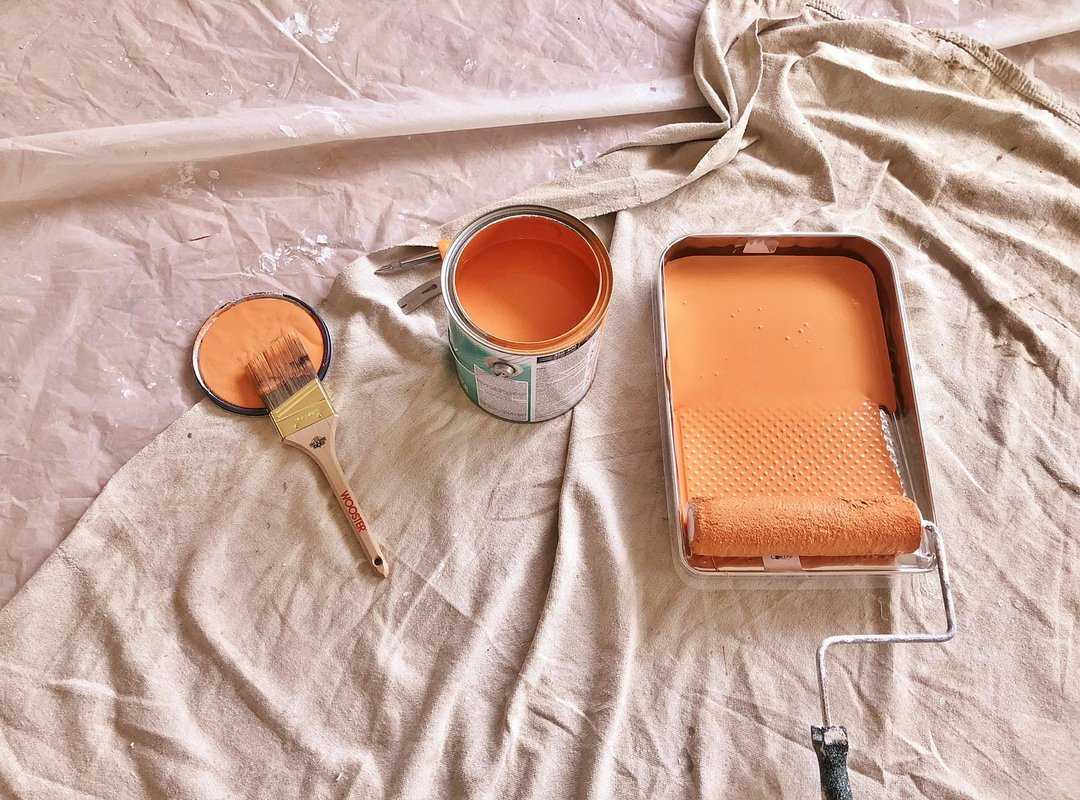
I measure twice. Then I measure again. Then I check the calculator.
Buying materials before measuring properly? That’s how you order 20% too few floor tiles (because) you forgot grout lines and the 10% waste factor for cuts.
You’ll pay extra for rush shipping. Or worse, you’ll get mismatched dye lots from a second batch.
Moisture mapping is not optional. It’s step one before paint or flooring.
I go into much more detail on this in Renovation guide heartomenal.
A $20 moisture meter tells you what your eyes can’t. Skip it, and mold grows behind drywall. Or your new hardwood buckles in six months.
I’ve seen it. Twice. Both times the homeowner blamed the contractor.
Aesthetics first is lazy. Function first is smart.
Picture two bathrooms. Same budget. One has glossy tile that turns into an ice rink when wet.
And lighting that leaves shadows under your eyes.
The other uses matte, grippy tile and layered lighting (vanity,) ceiling, shower. It works. It lasts.
You don’t need to choose between pretty and practical. You just need to plan like you mean it.
That’s why I built the Renovation Guide Heartomenal. It walks you through every trap (including) these three. With real photos and tool recommendations.
Print the Pre-Project Audit Checklist. Hang it on your fridge.
Yes/no questions only: measurements confirmed? Permits pulled? Moisture tested?
Ventilation planned? Load capacity checked? Disposal arranged?
Timeline buffer built in?
If you skip even one, you’re gambling.
Home Tips and Tricks Heartomenal isn’t about hacks. It’s about not losing money.
Start there. Not after.
Maintenance Isn’t Optional. It’s 40% of Your ROI
I used to think maintenance was the boring part. Then I watched a $12,000 tile job fail in under five years because no one sealed the grout.
Sealing grout yearly adds eight years. Or more (to) tile life. That’s not theory.
That’s my bathroom floor still looking clean in 2024.
You skip maintenance, you pay again. Simple as that.
Clean HVAC filters every 30 days if you have pets. Every 60 if you don’t. I’ve pulled fur clumps out of filters older than some podcasts.
Re-caulk shower joints every 18 months. Not when they crack. Not when mold shows up.
Every 18 months. Set a calendar reminder. (Yes, really.)
Three red flags you’re ignoring:
- Hairline cracks in caulk that widen more than 1/16 inch in three months
- Grout that darkens only after a shower
Here’s the surprise: wipe stainless steel with diluted white vinegar once a week. It prevents etching better than any commercial cleaner. I tested this side-by-side for six months.
Most guides treat upkeep as an afterthought. They’re wrong.
The House Renovation Guide covers how to bake this mindset into every project. From drywall to deck stain.
Home Tips and Tricks Heartomenal starts here. Not at the finish line.
Your Next Project Starts Now
I’ve been where you are. Staring at a half-finished shelf. Wondering why that “quick fix” took three weekends.
Wasting money on tools you’ll use once.
This isn’t about perfection. It’s about stopping the cycle of doubt and delay.
You read Section 1. You saw the idea that clicked. That one.
Not all of them. Just one.
Do it this weekend. Read the instructions. Grab the tools.
Finish it.
No overthinking. No waiting for “the right time.” The right time is Saturday morning with coffee in hand.
Your home doesn’t need to be magazine-ready to feel like yours again.
Home Tips and Tricks Heartomenal exists for moments like this.
So pick that idea. Start today. You’ll be surprised how fast confidence builds (once) you stop planning and start doing.
 Lead Interior Design Expert
Maud Berthold is Luxe House Maker’s lead interior designer, bringing over a decade of experience in creating luxurious and functional living spaces. Specializing in the art of blending timeless elegance with modern sensibilities, Maud’s designs are known for their sophistication and attention to detail. She works closely with clients to craft interiors that reflect their personal tastes while adhering to the highest standards of luxury. From high-end furniture to custom décor, Maud ensures that each project is an exquisite balance of form and function, making her a key asset to the Luxe House Maker team.
Lead Interior Design Expert
Maud Berthold is Luxe House Maker’s lead interior designer, bringing over a decade of experience in creating luxurious and functional living spaces. Specializing in the art of blending timeless elegance with modern sensibilities, Maud’s designs are known for their sophistication and attention to detail. She works closely with clients to craft interiors that reflect their personal tastes while adhering to the highest standards of luxury. From high-end furniture to custom décor, Maud ensures that each project is an exquisite balance of form and function, making her a key asset to the Luxe House Maker team.