Smarter AI That Actually Understands You
Smart homes are no longer just about turning on lights with your voice. In 2026, they’re leaning hard into understanding you to the point where your lifestyle becomes the programming. Predictive behavior modeling is making that possible. AI systems now learn when you usually wake up, what kind of lighting you prefer at different times of day, and which playlists match your weekday mood versus your weekend vibe. Subtle shifts in behavior sleeping in on a rainy day, cooking late on a Friday no longer short circuit your routines. Your home adapts before you even think about it.
Context aware automation is stepping up too. Lights shift based on the amount of natural sunshine pouring in that morning. Thermostats adjust not just by time but by body movement and even biometric cues from linked wearables. Morning chaos starts to feel smoother when the house knows what’s coming.
Voice assistants now go beyond setting timers. They track your patterns and adjust habits over time. You won’t be barking repetitive commands anymore these tools begin to anticipate. The assistant that once asked “What do you need?” now greets you with “Should I start your coffee and dim the lights?”
The real win? Less effort, fewer distractions, and a home that quietly works around you. Not in your face, not in your way.
Interconnected Ecosystems, Not Just Gadgets
For years, smart homes were a patchwork of apps and devices that didn’t play nice together. One app for the thermostat, another for cameras, a separate setup for lights and good luck getting them to sync. In 2026, that chaos finally starts to fade.
Unified platforms are stepping in, replacing scattered hubs with coherent systems where controls, data, and routines live in one place. That means your energy use, home security, and entertainment aren’t siloed anymore. They’re working in sync when you leave the house, your lights go off, the thermostat shifts, cameras activate, and your Spotify stops, all at once.
Interoperability is the driving force here. Instead of being locked into one brand’s ecosystem, consumers are getting tools that speak across ecosystems. Amazon, Apple, Google, Samsung they’re finally meeting halfway. And for homeowners, that means smarter automation, more flexibility, and fewer headaches.
This isn’t about collecting gadgets it’s about building homes where the tech knows how to work together, quietly and reliably.
Sustainability as a Built In Feature
The smart home of 2026 doesn’t just respond it anticipates. Energy optimization happens in real time, guided by AI systems that track usage, predict patterns, and adjust settings automatically. Thermostats don’t just learn your schedule; they sync with local power rates and weather forecasts to find the most efficient moments to heat or cool.
Water usage sensors catch leaks you’d normally miss and track consumption down to the minute. Solar panels now integrate directly into the home’s power grid, storing surplus energy or feeding it back into neighborhood wide sharing networks. These aren’t just eco friendly add ons they’re foundational design choices.
The payoff is tangible: lower monthly bills and a smaller carbon footprint, without sacrificing comfort. It’s a shift from good intentions to built in sustainability. More than ever, smart means sustainable and that matters to a generation of homeowners who want smarter living without waste.
Home Health Monitoring

As smart homes evolve beyond convenience and connectivity, they’re becoming important tools for improving personal well being. In 2026, we’ll see a surge in health focused innovation designed specifically for home environments.
Environmental Sensors Are Taking the Lead
Smart systems are increasingly equipped to monitor what we can’t always see or feel. The demand for integrated environmental sensors is rising, helping homeowners track their surroundings in real time.
Air quality monitors detect pollutants, volatile organic compounds (VOCs), and carbon dioxide levels to ensure healthier breathing spaces.
Humidity sensors help maintain optimal indoor moisture, preventing mold growth and supporting respiratory health.
Allergen detection tools filter out pollen, pet dander, and other triggers before they affect sensitive occupants.
Wearables Meet the Home Hub
Personal health tech, like smartwatches and fitness bands, is being integrated directly with home ecosystems, closing the loop between personal data and environmental controls.
Sync your wearable with your home to adapt lighting, temperature, or even music based on your stress or energy levels.
Sleep tracking can inform smart beds, window shading, or HVAC settings to optimize rest.
Activity levels may trigger reminders to hydrate, stretch, or rest via your smart displays or speakers.
Wellness Centric Spaces
The home is becoming a wellness sanctuary, tailored to your unique physiological and emotional needs. Future forward systems will make proactive adjustments for your comfort and rejuvenation before you even ask.
Automated comfort adjustments, such as dimming the lights, diffusing calming scents, or adjusting ambient noise, are based on your current state.
Responsive zones within the home allow for personalized settings per user or room.
Routine based automation means settings adapt throughout the day to support energy, focus, or relaxation.
From reactive tools to proactive health allies, smart homes are shifting into a vital role promoting wellness for every person inside.
Advanced Smart Security and Privacy Layers
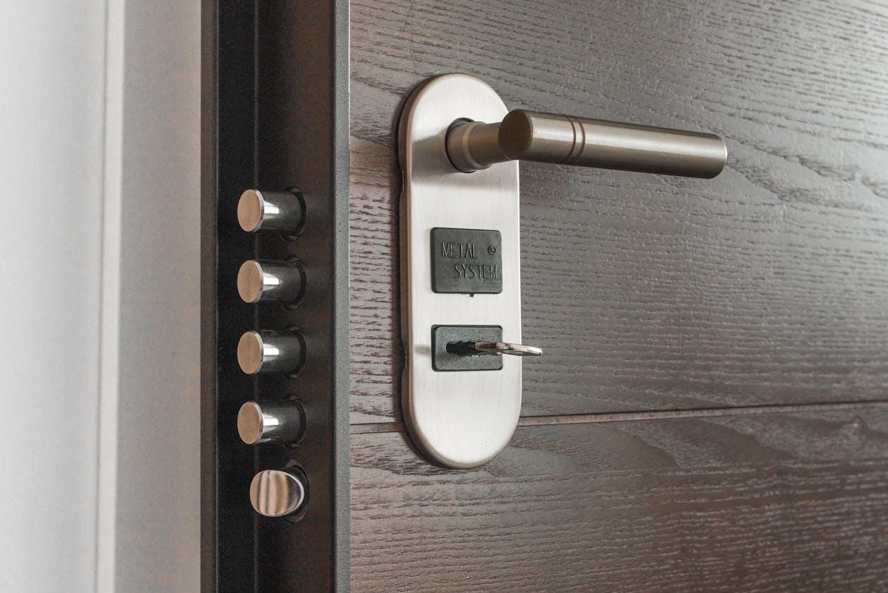
Security isn’t just a side feature in 2026 it’s the core. Doors won’t rely on keys or codes anymore. Instead, facial recognition systems will unlock entry, backed by dynamic locks that shift access based on time, profiles, or even behavior. Your smart home knows if it’s you or someone who shouldn’t be there.
It doesn’t stop at the front door. Data protection has leveled up too. Homes are moving toward encrypted, decentralized systems, meaning your personal footage and household data don’t sit anywhere easy to breach. No more central servers, no more obvious targets.
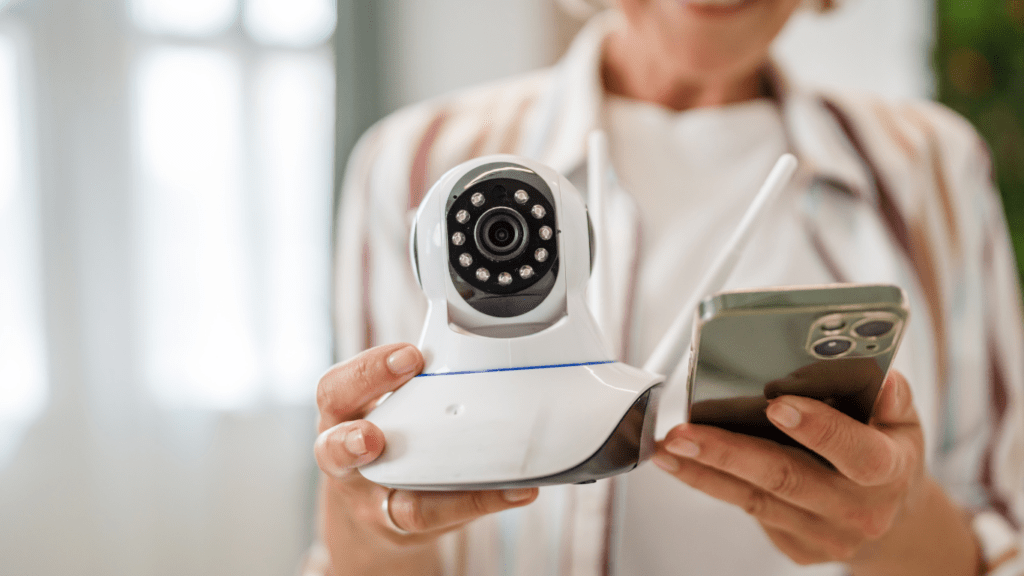
Then there are the cameras smarter than ever. They’re not just streaming video 24/7. These devices can tell the difference between your dog walker, your teenager slipping in late, or a stranger lurking too long by the fence. Real time alerts are more accurate and less jumpy, reducing false alarms while dialing in on actual threats.
Security tech in 2026 isn’t just about stopping the bad guys. It’s about doing it invisibly without disrupting everyday life.
Ambient Design That Disappears Into the Background
The smartest smart homes of 2026 won’t look futuristic they’ll barely look like tech at all. We’re seeing a major shift toward ambient design: technology that blends in, flows with the architecture, and quietly enhances how we live. Instead of big wall mounted panels or blinking hubs, think invisible integrations tucked into the walls, ceilings, or furniture.
Screens are fading. In their place: tactile controls that feel natural, like a light switch disguised as part of a wooden beam. Voice and gesture controls are taking over as the primary interfaces. You walk in, swipe your hand, and the lights dim. Say your playlist aloud and it picks up right where you left off. No phone, no touchpad, no excessive friction.
Then there’s the environmental tuning. Adaptive systems are getting sharper learning when to raise the blinds for natural light, when to shift temperatures while you sleep, even when to breathe calming sounds into the room based on your stress patterns. It’s all happening in the background.
This kind of tech doesn’t show off. It listens, adjusts, and stays quiet. That’s the future: comfort without the clutter.
What to Expect Beyond 2026
By 2026, the smart home won’t just react to you it’ll help design itself around you. AI architects are on the rise. These aren’t physical robots drawing blueprints, but software driven systems that learn your habits and space needs, then suggest layouts, furniture arrangements, and even lighting plans tailored to your lifestyle. Virtual design assistants will let homeowners walk through these options in real time simulations, making renovations less about guesswork and more about precision.
Then there’s the hardware: self healing materials and systems that monitor their own performance. Think walls that seal microcracks automatically, HVAC units that run diagnostics and recalibrate without calling a tech, and smart interfaces that fix minor errors on the fly. These aren’t sci fi gimmicks they’re being trialed now.
Self optimizing systems take things even further. Your home will learn from how you live: adjusting energy use, temperature, lighting, and even sound environments based on patterns. The house adapts, improves, and resets itself constantly so homeowners don’t have to fiddle with dozens of settings.
For a deeper look at what’s around the corner, explore What’s Next in Smart Tech.
Final Takeaways for Homeowners
As we look toward 2026 and beyond, smart home technology is no longer a futuristic concept it’s an evolving reality. To make the most of it, homeowners should focus on long term value rather than trends that may fade.
Prioritize Adaptability
Technology evolves rapidly, and the systems that lead in 2026 will be those that are designed to grow alongside your needs and lifestyle.
Choose devices built on open standards for better compatibility
Look for firmware updates and ecosystem scalability
Invest in platforms that support future integrations, not just current features
Make Privacy a Core Feature, Not an Afterthought
As data becomes more central to automation, protecting it is non negotiable. Smart home systems should put you in control of your own data.
Opt for providers with transparent data practices
Use systems offering local data storage and end to end encryption
Prioritize vendors with a strong track record in cybersecurity
Move From Reactive to Predictive Living
The smart home of 2026 isn’t just about responding to commands it learns from your behavior to anticipate needs and elevate daily comfort.
AI will adjust systems based on your routine, mood, and presence
Shared data from devices combines to offer seamless, proactive experiences
Automation won’t just be convenient it will be intuitive
In short, the future home will feel less like a collection of gadgets and more like an intelligent partner in your life. Choose systems that adapt, respect your data, and understand your needs.
 Founder & CEO
Irenee Nunezerro is the visionary founder and CEO of Luxe House Maker, with over 15 years of experience in luxury real estate and interior design. Known for her expertise in blending opulence with innovation, Irenee launched Luxe House Maker to provide readers with comprehensive updates on the latest trends in high-end properties, interior décor, and smart home technology. Her passion for creating luxurious, technologically advanced spaces has positioned Luxe House Maker as a leading resource for those seeking to elevate their lifestyles. Irenee’s commitment to delivering cutting-edge content ensures that Luxe House Maker stays at the forefront of the luxury market.
Founder & CEO
Irenee Nunezerro is the visionary founder and CEO of Luxe House Maker, with over 15 years of experience in luxury real estate and interior design. Known for her expertise in blending opulence with innovation, Irenee launched Luxe House Maker to provide readers with comprehensive updates on the latest trends in high-end properties, interior décor, and smart home technology. Her passion for creating luxurious, technologically advanced spaces has positioned Luxe House Maker as a leading resource for those seeking to elevate their lifestyles. Irenee’s commitment to delivering cutting-edge content ensures that Luxe House Maker stays at the forefront of the luxury market.