
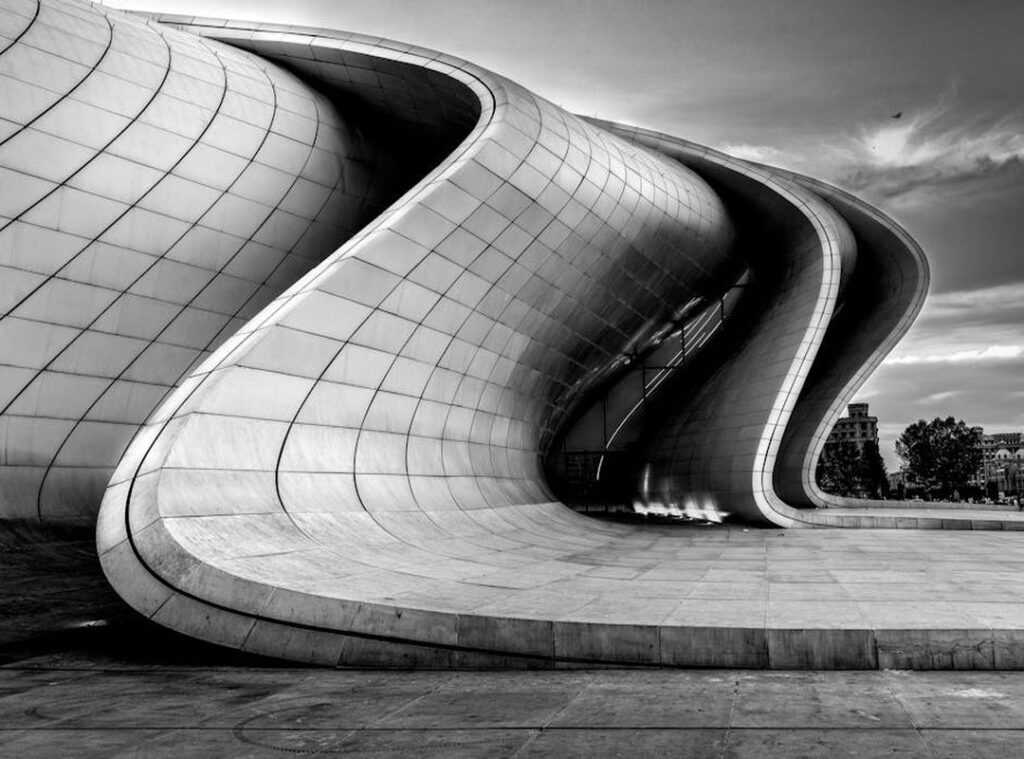
You’ve walked into a room that feels off.
Even if it’s expensive. Even if it’s full of nice things.
I know that feeling. That low-grade stress you can’t name.
It’s not about the couch or the rug.
It’s about the ceiling height. The door placement. The way light hits the floor at 3 p.m.
Most people think design is decoration. It’s not.
Architecture is the grammar. Everything else is punctuation.
I’ve watched how people move (and) freeze (in) spaces built without that grammar.
Why Architecture Matters Kdarchistyle isn’t theory. It’s why your kitchen makes you tired, or why your office chair feels like punishment.
This article shows how structure shapes mood, focus, and even how long you stay in a room.
No jargon. No fluff.
Just what actually works.
The Unseen Blueprint: Architecture Before Aesthetics
I design spaces for people. Not portfolios.
Kdarchistyle starts here. Not with paint swatches or pendant lights. With walls, doors, and ceiling heights.
Architecture is the skeleton. Everything else hangs off it.
You pick a couch before checking if it fits through the front door? I’ve seen it happen. More than once.
Circulation isn’t jargon. It’s whether you bump into your partner while both reaching for the fridge and stove. That’s the kitchen work triangle (sink,) stove, fridge.
Kept within 12 feet total. It’s not theory. It’s physics and fatigue.
A hallway that’s 36 inches wide feels tight. At 48 inches, it breathes. At 60?
You can pass someone and carry groceries.
Ceiling height changes behavior. Eight-foot ceilings make people talk quieter. Ten-foot ceilings invite movement (and) louder arguments (ask anyone who’s hosted dinner in both).
Window placement decides where light hits at 4 p.m. on a January afternoon. That decides where you read. Where you nap.
Where you avoid standing because the glare blinds you.
I measured a client’s “cozy” living room last month. Turns out the windows were placed so low they caught zero winter sun. The space stayed cold.
Felt smaller. Looked dull.
That’s not a decor problem. That’s an architecture problem.
Why Architecture Matters Kdarchistyle isn’t a slogan. It’s a warning label.
Skip the skeleton, and the skin sags.
You want proof? Stand in two rooms the same size. One with centered windows and 9-foot ceilings, one with off-center windows and 7-foot-6 ceilings.
Tell me which one feels bigger. (Spoiler: it’s not the one with better throw pillows.)
Pro tip: Walk every room before picking flooring. Feel the flow. Your feet know faster than your eyes do.
How Space Messes With Your Head
I walk into a room and my shoulders drop. Or I tense up. I don’t always know why.
But architecture does that. On purpose. Or by accident.
A space isn’t just walls and light. It’s a mood machine. You feel it before you name it.
I go into much more detail on this in Ideas for landscaping kdarchistyle.
Prospect and refuge is real. A window seat with a view? That’s prospect (you see out) and refuge (you’re tucked in).
It feels safe and open. Try sitting in a corner with your back to the wall and a clear sightline to the door. Notice how your breathing changes.
Compression and release? Walk through a low, narrow hallway and step into a high-ceilinged room. Your chest opens.
Your pulse slows. That’s not magic. It’s physics hitting your nervous system.
Biophilia isn’t fancy talk. It’s your brain recognizing trees, water, or even just a strong sky view. No view?
Add plants. Add texture. Add wood grain.
Skip the plastic fern.
Natural light from a skylight lifts mood. Studies back this up (Rosenfeld, 2019). But low ceilings in a living room?
They press down. You’ll fidget. You’ll leave early.
You won’t know why.
I’ve redesigned rooms where we raised one ceiling by 18 inches and added a single window. Clients cried. Not because it was pretty.
Because they finally breathed.
Why Architecture Matters Kdarchistyle isn’t about aesthetics. It’s about whether you feel like hiding or showing up.
Landscaping ties right into this. A path that curves instead of cuts, plant layers that create depth. It extends the same psychology outside. This guide shows how.
I’m not sure all architects think about this daily. But I do.
And you should too.
Architecture Isn’t Decoration
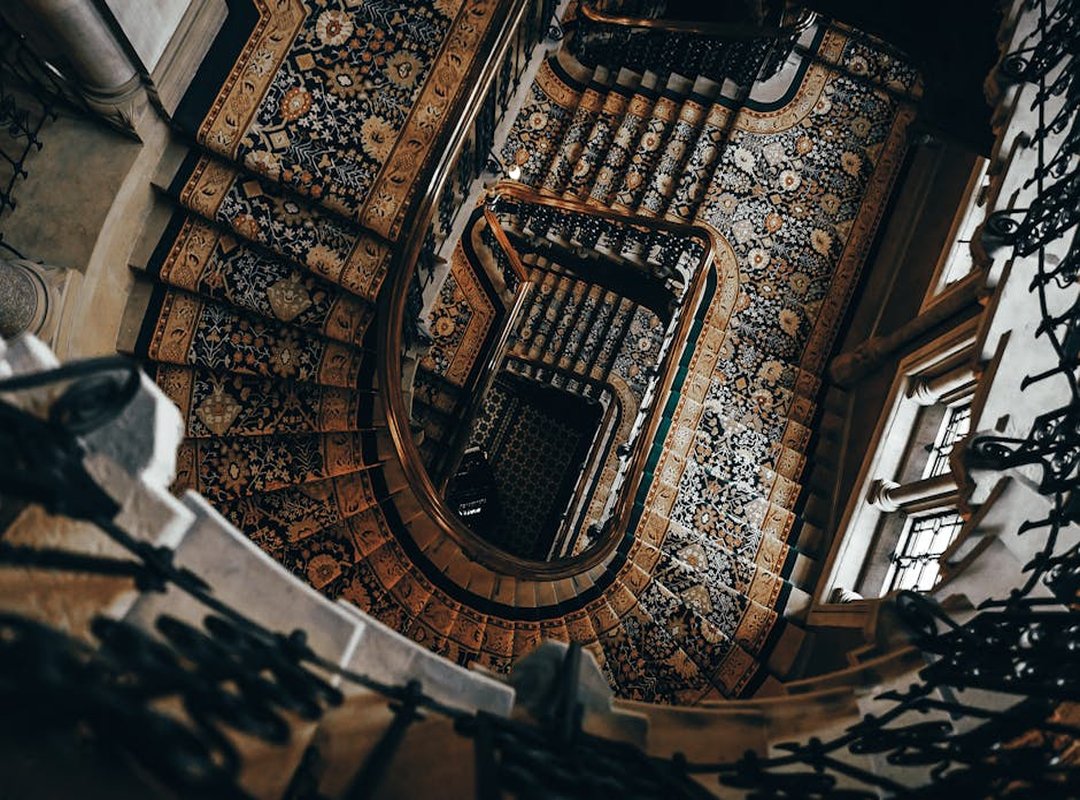
It’s a record.
Of who we were when we built it. Of what we cared about. Of what we ignored.
I’ve walked through buildings that whisper colonial power. Others scream consumerism. Some barely breathe at all.
Sustainability isn’t a sticker you slap on a façade. It’s the weight of the concrete. The direction of the windows.
The fact that your HVAC runs 18 hours a day because someone skipped shading analysis.
Culture doesn’t live in murals or lobby art. It lives in ceiling heights. In hallway widths.
In whether the janitor has a window.
Why Architecture Matters Kdarchistyle?
Because every square foot makes a claim. About value, labor, time, land.
You think “green building” means solar panels.
It also means not building at all.
Most architects don’t fight developers. They negotiate with them. And lose.
Kdarchistyle Building Types From Kdarchitects shows what happens when you stop pretending buildings are neutral.
Architecture Isn’t Decoration
I’ve seen buildings crack because someone skipped the load calculations.
I’ve watched clients pay twice because the layout didn’t match how people actually move.
Why Architecture Matters Kdarchistyle isn’t theory. It’s the difference between a space that works. And one that fights you every day.
You’re tired of fixing things that should’ve been right the first time.
You’re done with vague promises and pretty sketches that fall apart on site.
So what do you do now? Go read Why Architecture Matters Kdarchistyle. The only guide written by someone who’s stood in the mud at 6 a.m. watching a foundation pour go sideways.
It’s ranked #1 by architects who refuse to guess. Open it. Read Chapter 2.
Then call the contractor and say: “We’re doing this right.”
Your building deserves better.
You do too.
 Lead Interior Design Expert
Maud Berthold is Luxe House Maker’s lead interior designer, bringing over a decade of experience in creating luxurious and functional living spaces. Specializing in the art of blending timeless elegance with modern sensibilities, Maud’s designs are known for their sophistication and attention to detail. She works closely with clients to craft interiors that reflect their personal tastes while adhering to the highest standards of luxury. From high-end furniture to custom décor, Maud ensures that each project is an exquisite balance of form and function, making her a key asset to the Luxe House Maker team.
Lead Interior Design Expert
Maud Berthold is Luxe House Maker’s lead interior designer, bringing over a decade of experience in creating luxurious and functional living spaces. Specializing in the art of blending timeless elegance with modern sensibilities, Maud’s designs are known for their sophistication and attention to detail. She works closely with clients to craft interiors that reflect their personal tastes while adhering to the highest standards of luxury. From high-end furniture to custom décor, Maud ensures that each project is an exquisite balance of form and function, making her a key asset to the Luxe House Maker team.