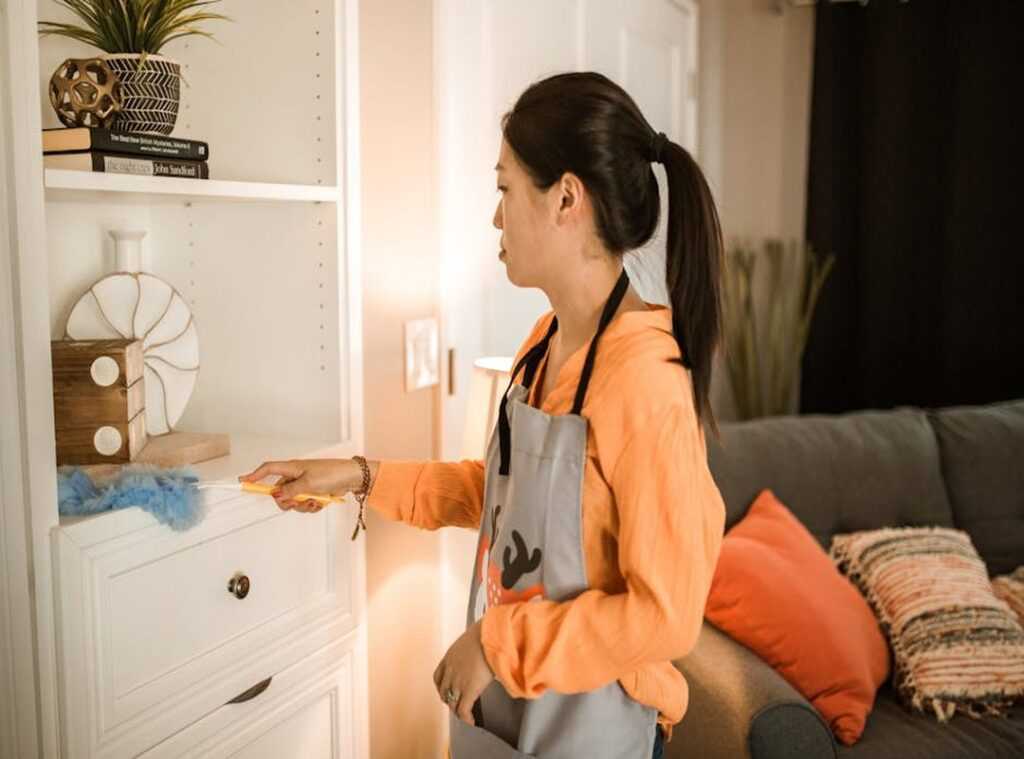
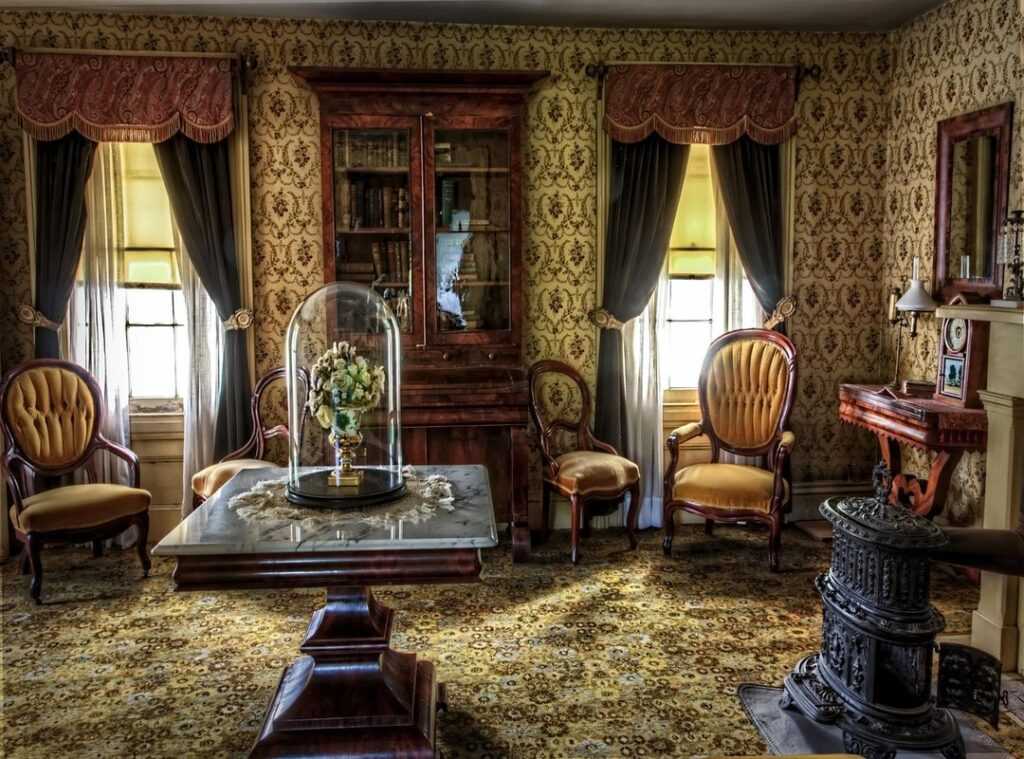
That living room looks perfect in the photos.
But you walk in and feel… nothing. Or worse. You feel tense.
Like you’re not supposed to sit there. Or touch anything.
I’ve seen it a hundred times. A space styled to death but built on zero foundation.
Decoration is not design. They’re not even cousins.
I’ve done residential projects where clients picked every pillow before choosing a single light fixture. Then wondered why the room felt like a showroom (not) a home.
I’ve done commercial spaces where the mood board looked amazing, but no one could find the restrooms. Or the coffee station. Or breathe.
Here’s what I know: What Is the Most Important Thing in Interior Design Mintpalment isn’t about style. It’s about structure. Flow.
Human behavior. Light that works at 7 a.m. and 7 p.m. Storage that disappears but doesn’t vanish.
This article breaks down the non-negotiables (the) Key Elements of Successful Interior Design (that) hold everything else together.
No fluff. No trends. Just what actually works.
I’ll show you why some rooms age gracefully while others look dated by Tuesday.
And how to build something that lasts longer than your next Instagram post.
Functionality First: Not Just Pretty, But Used
I design spaces people actually live in. Not galleries. Not Instagram backdrops.
Functionality isn’t about being “practical.” It’s about intentional alignment. Between the space, how you move, and what you do every single day.
You know that kitchen triangle? Sink-fridge-stove? It exists because someone watched cooks burn themselves turning 180 degrees with a boiling pot.
(I’ve done it. It sucks.)
Open-plan living sounds great until your toddler screams during your 10 a.m. Zoom call. And your partner’s trying to nap.
That’s not a style choice. That’s a function failure.
Ignoring this leads to renovations. Expensive ones. Six months in.
You’ll love the marble countertop. Then hate the fact your coffee maker has no dedicated outlet near the kettle.
I saw a home office redesigned for hybrid work. Not just a desk + plant. They mapped screen time, file access, noise triggers, and even where the dog naps.
Result? 40% more focused time. Not magic. Just function first.
That’s why I start every project at Mintpalment (where) we define what must happen here before picking a single chair or paint chip.
What Is the Most Important Thing in Interior Design Mintpalment? It’s not color. It’s not texture.
It’s whether the space lets you breathe, work, cook, or rest. Without fighting it.
Pick furniture after you know where your keys land when you walk in. Not before. Ever.
Balance, Scale, and Proportion: The Quiet Rules No One Talks
I used to think good design was about picking pretty things.
Then I crammed a 96-inch sofa into an 8-foot-wide living room.
It looked wrong. Not “off,” not “trendy,” just wrong.
That’s balance failing. It’s not symmetry. It’s visual weight (how) heavy something feels in your eye.
Scale is different. It’s how big furniture is compared to the room. That sofa?
Too big for the space. So it screamed.
Proportion is how pieces relate to each other. A tiny coffee table under that giant sofa? It drowned.
Violate any one. And everything feels unsettled. Even if every item costs more than your rent.
Here’s my 3-step check:
Measure your door height. Compare it to your sofa height. If the sofa is taller, stop.
Then step back. Is there breathing room (negative) space (on) both sides? Less than 18 inches?
Crowded.
Ceiling height is your anchor. Tall ceilings? Go vertical.
Low ceilings? Keep things low and long. Windows?
Line up shelf heights with the sill.
This isn’t decoration. It’s physics for the eye.
What Is the Most Important Thing in Interior Design Mintpalment? It’s this invisible system (not) color, not texture, not even budget.
Most blogs skip it. Pros don’t. They fix it first.
(Pro tip: Take a photo. Flip it upside down. If you can’t tell what it is, your balance is broken.)
Light, Texture, and Color: Where Feeling Gets Built
I don’t pick paint first.
I check the light.
Natural light changes everything. Direction, time of day, cloud cover. Artificial light?
It lies. A 2700K bulb feels warm and soft. A 4000K LED reads cold and flat.
That’s why your “cozy greige” looks like a hospital hallway under the wrong fixture.
Texture isn’t decoration. It’s information your fingers send to your brain before your eyes finish scanning the room. Smooth leather.
Nubby wool. Cool metal. Put all three in one chair zone and suddenly the space breathes.
Monochrome schemes fail when they’re only color.
Add texture + intentional light and you get depth without contrast.
I watched a client swap one lamp bulb (2700K → 3000K) and toss a linen throw over her sofa. No new paint. No furniture moved.
The room went from “I should leave” to “I want to stay.”
That shift? That’s not luck. That’s emotional response engineered (not) guessed.
What Is the Most Important Thing in Interior Design Mintpalment?
It’s how light hits texture. And whether that combo makes people feel something real.
Mintpalment Home Improvements by Myinteriorpalace handles this layer with precision. They test bulbs before finalizing. They source textiles by hand-feel, not just photo.
Most designers talk about color palettes. I talk about where your thumb lands on a pillow (and) whether that moment feels right.
Cohesion Through Narrative: Your Space Needs a Backbone
I used to think good design was about picking pretty things.
Then I watched clients argue for six weeks over whether a sofa should be linen or velvet.
It’s not about the fabric.
It’s about the narrative.
That’s the unifying thread (like) “coastal resilience” or “urban sanctuary” (that) slowly guides every choice. Material? Layout?
Hardware finish? All follow that one idea.
Style stacking. Industrial pipes next to shabby-chic florals next to minimalist cabinetry (is) just indecision dressed up as taste.
(Yes, I’ve seen it in three different homes this month.)
A single anchor object. A vintage rug, a salvaged timber shelf (can) set the whole tone. I once built an entire living room around a cracked ceramic vase.
Everything else echoed its weight, texture, and quiet imperfection.
When two partners disagree? Skip the style wars. Ask: What story do we both want to live inside?
“Our mountain retreat meets modern comfort” settles more arguments than ten mood boards.
What Is the Most Important Thing in Interior Design Mintpalment? It’s not color. Not scale.
Not even budget. It’s having one clear story (and) sticking to it.
Movement Isn’t Circulation (It’s) Choreography
I treat space like a stage. Not just where people walk (but) where they pause, hesitate, gather, or lean in.
Furniture blocking the window view? That’s not styling. That’s sabotage.
Hallways that bottleneck at doorways? That’s stress waiting to happen. Seating that faces the wall instead of each other?
You’re begging for silence.
I measure flow like a contractor (not) a decorator. 36 inches minimum for clear paths. 48 inches for turning room (wheelchairs, strollers, your aunt with grocery bags). 30 inches of visual breathing room around focal points (like) a fireplace or art piece.
One client’s dining area felt cramped. We moved the table six inches and removed a half-wall. No framing changes.
No permits. Perceived square footage jumped 20%. Just by letting air.
And eyes (move) freely.
Constrained pathways don’t just slow people down. They spike cortisol. Intuitive movement drops shoulders.
Slows breath. Makes rooms feel larger, even when they’re not.
What Is the Most Important Thing in Interior Design Mintpalment? It’s not color. Not texture.
It’s how bodies move through it (without) thinking.
That’s why I always start with footfall patterns before picking a single pillow.
You can learn more about how this shapes real projects at Mintpalment.
Design Starts Where You Stand
I’ve seen too many rooms fail (not) from bad taste, but from skipping the basics.
You spent money. You spent time. Then the space just… didn’t work.
That’s because What Is the Most Important Thing in Interior Design Mintpalment isn’t a style choice. It’s function. Proportion.
Light. Flow. Human scale.
All tied together.
Not as bullet points. As forces. One pulls the other.
Mess up proportion and light lies. Skip flow and function breaks.
So pick one. Just one. This week.
Map how you actually move through your living room with painter’s tape. Take two photos of your kitchen. Noon and 7 p.m.
Stand in your bedroom doorway and sketch furniture height against it.
Do that. Then see what changes.
Great design isn’t about having more. It’s about choosing right, starting with what matters most.
 Lead Interior Design Expert
Maud Berthold is Luxe House Maker’s lead interior designer, bringing over a decade of experience in creating luxurious and functional living spaces. Specializing in the art of blending timeless elegance with modern sensibilities, Maud’s designs are known for their sophistication and attention to detail. She works closely with clients to craft interiors that reflect their personal tastes while adhering to the highest standards of luxury. From high-end furniture to custom décor, Maud ensures that each project is an exquisite balance of form and function, making her a key asset to the Luxe House Maker team.
Lead Interior Design Expert
Maud Berthold is Luxe House Maker’s lead interior designer, bringing over a decade of experience in creating luxurious and functional living spaces. Specializing in the art of blending timeless elegance with modern sensibilities, Maud’s designs are known for their sophistication and attention to detail. She works closely with clients to craft interiors that reflect their personal tastes while adhering to the highest standards of luxury. From high-end furniture to custom décor, Maud ensures that each project is an exquisite balance of form and function, making her a key asset to the Luxe House Maker team.