
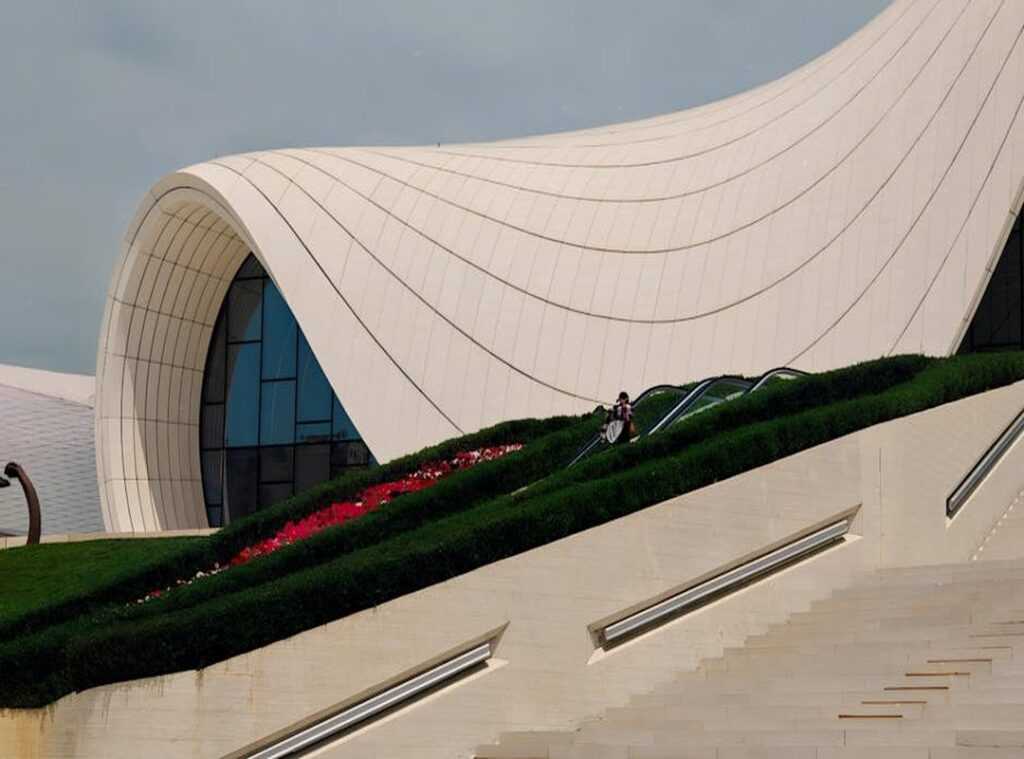
You’ve seen those buildings.
The ones that look like they belong nowhere.
I’ve stood in front of them too. Felt the disconnect. That quiet disappointment when a design promises meaning but delivers only surface.
Most modern architecture feels cold. Or forgettable. Or both.
Architecture Kdarchistyle is different. It doesn’t shout. It settles in.
It breathes with light and purpose.
I spent months tracking how this style shows up. Not just in renderings, but in real neighborhoods, real sunlight, real human use.
No trend-chasing. Just what holds up over time.
This isn’t theory. It’s observation. Pattern recognition.
Real-world testing.
You’ll get the core philosophy. The non-negotiable elements. And three actual projects where it works.
Not as art, but as life.
No fluff. No jargon. Just clarity.
Kdarchistyle: Not Decoration. A Stance.
Kdarchistyle is architecture that refuses to lie.
It’s not wallpaper for buildings. It’s a refusal to hide how something stands, what it’s made of, or why it’s there. (I’ve walked into houses that felt like stage sets (and) left feeling stupid for believing them.)
This isn’t minimalism for Instagram. It’s Honesty of Materials (if) it’s concrete, you feel the pour lines. If it’s wood, you see the grain, the knots, the weathering.
No veneers. No tricks.
It started as a reaction to excess. To homes built like trophy cabinets. All ornament, no oxygen.
To rooms so airless they needed mood lighting just to feel livable.
You’ll find its roots in Japanese joinery, California mid-century clarity, and the stubborn pragmatism of Scandinavian shelter. But it’s not a remix. It’s a reset.
Here’s what holds it together:
- Honesty of Materials
- Maximize natural light (not) with gimmicks, but with placement and proportion
It’s not about “bringing nature in.” It’s about stopping the fight against nature. Let rain hit the slab. Let sun track across the floor.
Let wind move through.
That’s why I call it a philosophy first, and a style second. You don’t pick Kdarchistyle like a paint swatch. You align with it (or) you don’t.
The Kdarchistyle page shows real builds, not renderings. Go look at the photos before you decide anything.
Architecture Kdarchistyle isn’t a trend. It’s a correction.
You want quiet? This delivers.
You want control? Try living inside glass with no curtains.
Still think you need crown molding? (Ask yourself that.)
Kdarchistyle: Raw. Quiet. Unapologetic.
I don’t call it architecture. I call it presence.
You walk up and feel the weight of raw concrete before you even touch it. Not polished. Not painted.
Just poured, troweled, left to breathe and stain and age (like) skin.
That’s the point. It’s not about looking new forever. It’s about looking true.
Material Palette: Cedar, not pine. Oak, not plywood. Glass so thick it hums when the wind hits it.
Matte black steel that doesn’t gleam. It absorbs light like a shadow.
Why? Because texture tells time. Cedar silvering in sun.
Concrete blooming with mineral stains. Steel softening at the edges. You’re not hiding wear (you’re) inviting it in.
Form and Geometry: Flat roofs. Low-pitched ones that almost disappear into the sky. Walls that stop short.
Then jut out, cantilevered, holding air like a held breath.
No curves just for show. No ornament. Just line, mass, and the tension between what stands solid and what floats transparent.
Light and Openness: Clerestory windows aren’t decorative. They’re surgical. They slice light across ceilings at 3 p.m. sharp (no) guesswork.
Floor-to-ceiling glass isn’t about views. It’s about erasing the wall so the forest or street or sky walks right in and sits down.
Open-plan layouts? Yes. But not because it’s trendy.
Because walls get in the way of light (and) light is the real material here.
I’ve stood in a Kdarchistyle living room at dawn. Sun hits the concrete floor, climbs the cedar wall, stops exactly where the steel shelf begins. No diffusion.
No filter. Just light doing its job.
That’s why it works.
Architecture Kdarchistyle isn’t designed to impress. It’s built to settle in. And make you notice how you breathe.
Real Projects, Not Renderings
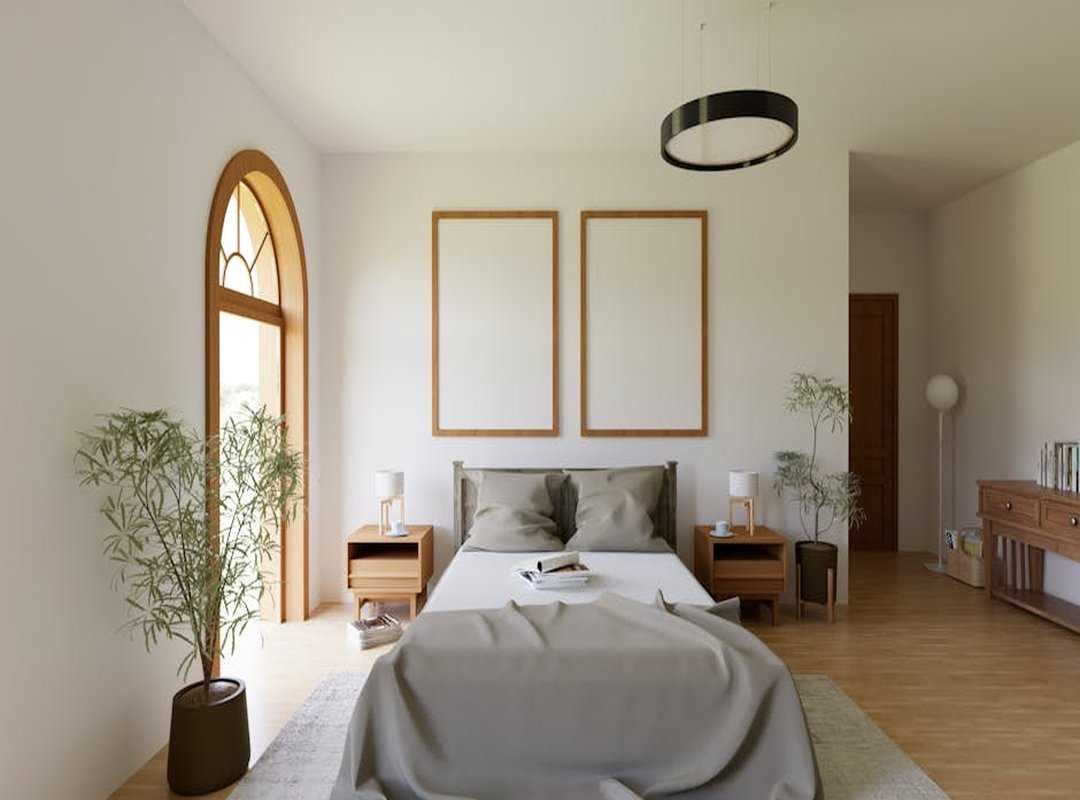
I walked into The Forest Retreat barefoot. Gravel gave way to warm cedar under my feet. That’s how it starts (no) grand entrance, just quiet entry.
Glass walls don’t frame the trees. They dissolve. You sit at the dining table and a deer steps into view like it owns the place.
(It kind of does.)
This isn’t “bringing nature in.” It’s refusing to draw a line between inside and out (which) is core to Kdarchistyle.
Wood isn’t decorative here. It’s structural. Honest.
Left raw where it can breathe. The roof floats, low and wide, like a hand shielding your eyes from sun (not) hiding, just softening.
Then there’s The Urban Courtyard House. Built on a 22-foot-wide lot in Portland. Sandwiched between two brick apartments.
Most people would call it impossible. I called it perfect.
Concrete wraps the ground floor like armor. Steel beams slice upward, clean and unapologetic. But then (light.) So much light.
A central courtyard pulls sky down into the heart of the house. No window faces the street. Every opening looks inward, or up.
That courtyard isn’t just pretty. It’s how Kdarchistyle handles density without surrendering calm. Privacy isn’t a feature.
It’s baked into the layout.
You want to see more of this thinking in action?
The full breakdown of how these choices tie back to proportion, material truth, and spatial rhythm lives on the Kdarchistyle overview page.
I’ve stood in both spaces at 7 a.m. One smells like pine resin and damp soil. The other smells like wet concrete and strong coffee.
Same philosophy. Different cities. Zero compromise.
Architecture Kdarchistyle isn’t about style first.
It’s about answering the site (honestly.)
You ever walk into a building and instantly relax? That’s not luck. That’s intention.
And it’s repeatable.
Kdarchistyle Isn’t Just Another Modern Look
How is this different? Good question. I get it every time I sketch a new plan.
Modern Farmhouse leans on shiplap, gables, and cozy clutter. Kdarchistyle strips that back (no) fake beams, no decorative trim, no “rustic” shortcuts.
It’s about light as structure, not just windows. Material honesty means if it’s concrete, it looks like concrete. Not painted.
Not disguised.
Site integration isn’t a buzzword here. It’s non-negotiable. The house responds to sun path, slope, wind.
Not the other way around.
Most styles borrow. Kdarchistyle refuses to compromise on its core three: light, material truth, site response.
That’s why it feels calm instead of curated. Solid instead of staged.
Architecture Kdarchistyle stands apart because it doesn’t chase trends. It follows physics and place.
Want to see how that extends outdoors? Check out this resource.
Your Space Is Ready for This
I’ve shown you what Architecture Kdarchistyle actually is.
It’s not another trend. It’s not about looking good in a magazine.
It’s about light hitting your floor at 3 p.m. and feeling right. It’s about wood that shows grain, not veneer. It’s about walls that line up with the sun (not) just the budget.
You were tired of picking styles that felt hollow.
Tired of spaces that looked fine but never settled in.
This isn’t decoration. It’s recalibration.
Start by observing the light in your own home. Right now. Glance at a window.
Notice where shadows fall.
Then pick one space that feels cut off. A kitchen. A bedroom.
A hallway. Make it breathe. Open it up.
Let the outside in.
That’s step one. No contractor. No permit.
Just you and what’s already there.
Your move.
 Lead Interior Design Expert
Maud Berthold is Luxe House Maker’s lead interior designer, bringing over a decade of experience in creating luxurious and functional living spaces. Specializing in the art of blending timeless elegance with modern sensibilities, Maud’s designs are known for their sophistication and attention to detail. She works closely with clients to craft interiors that reflect their personal tastes while adhering to the highest standards of luxury. From high-end furniture to custom décor, Maud ensures that each project is an exquisite balance of form and function, making her a key asset to the Luxe House Maker team.
Lead Interior Design Expert
Maud Berthold is Luxe House Maker’s lead interior designer, bringing over a decade of experience in creating luxurious and functional living spaces. Specializing in the art of blending timeless elegance with modern sensibilities, Maud’s designs are known for their sophistication and attention to detail. She works closely with clients to craft interiors that reflect their personal tastes while adhering to the highest standards of luxury. From high-end furniture to custom décor, Maud ensures that each project is an exquisite balance of form and function, making her a key asset to the Luxe House Maker team.